Apartment for rent in Praga-Północ — a guide to the district
Apartment for rent in Praga-Północ (Warszawa): rental prices, micro-areas, the M2 metro, parks and schools — a guide to the district as of August 2026.
Renting an apartment in Praga-Północ in August 2026 costs on average around 3,600 PLN a month for a unit of 28-58 m², with a spread of 2,600-6,600 PLN depending on floor area, standard and micro-area. Studios of 25-32 m² are most often rented for 2,900-3,300 PLN plus administrative charges of 400-650 PLN, two-room apartments start at around 3,800 PLN, and three-room ones usually from 5,000 PLN upwards. The district is divided into four micro-areas — Stara Praga, Nowa Praga, Szmulowizna and Pelcowizna — served by two M2 metro stations: Dworzec Wileński and Szwedzka. It is still one of the cheaper options close to the centre, although the gap against the left bank of the Wisła is steadily narrowing.
Below you will find indicative price ranges, a description of the individual parts of the district, information on transport and infrastructure, and tips on how to search effectively for an apartment in this area — including in the catalogue of allproperty listings.
How much does it cost to rent an apartment in Praga-Północ?
Rental prices in Praga-Północ rise with distance from the Wisła and proximity to the metro — apartments near Dworzec Wileński and plac Hallera are noticeably more expensive than those deeper inside Pelcowizna or Szmulowizna. The table below shows indicative rent rates (excluding administrative charges) for the individual floor areas, as of August 2026.
| Type of apartment | Floor area | Rent (PLN/month) |
|---|---|---|
| Studio | 25-32 m² | 2,900-3,300 PLN |
| 2 rooms | 38-48 m² | 3,800-4,600 PLN |
| 3 rooms | 55-65 m² | 5,000-6,600 PLN |
To these amounts you have to add administrative charges (czynsz administracyjny — the fee paid to the housing cooperative or the owners’ association) of the order of 400-1,000 PLN, depending on the age of the building and the range of services included — in the older tenement houses of Stara Praga they tend to be lower, while in newer developments on Kijowska or Środkowa they are higher because of the additional amenities. To compare prices in other parts of the city, it is worth looking at our article on rental prices in Warszawa in 2026.
What are the micro-areas of Praga-Północ?

The Miejski System Informacji (the city’s official area-naming system) distinguishes four zones within the district, and each of them has a different rental character. The district covers 11.3 km² and has about 59 thousand inhabitants (figures for the end of 2024).
- Stara Praga — buildings mainly from the beginning of the 20th century and the interwar period, intimate tenement houses, close to Dworzec Wileński and the Śląsko-Dąbrowski bridge.
- Nowa Praga — the most varied part of the district: pre-war tenement houses on Stalowa, Środkowa and Szwedzka, post-war socialist-realist estates around plac Hallera (Praga I, II, III), and green areas along the Wisła with the zoo and Park Praski.
- Szmulowizna — the eastern part of the district, historically linked to the lands of Szmul Zbytkower, with mixed residential development and post-industrial fragments.
- Pelcowizna — the northernmost, historically industrial part of the district (the area of the former Fabryka Samochodów Osobowych car plant), with little residential development.
If you are looking for an apartment specifically in that first, green part of the district, it is worth checking our separate text on how Nowa Praga differs from the rest of Praga-Północ — this micro-area has a completely different tenant profile from industrial Pelcowizna.
What is transport and commuting like from Praga-Północ?
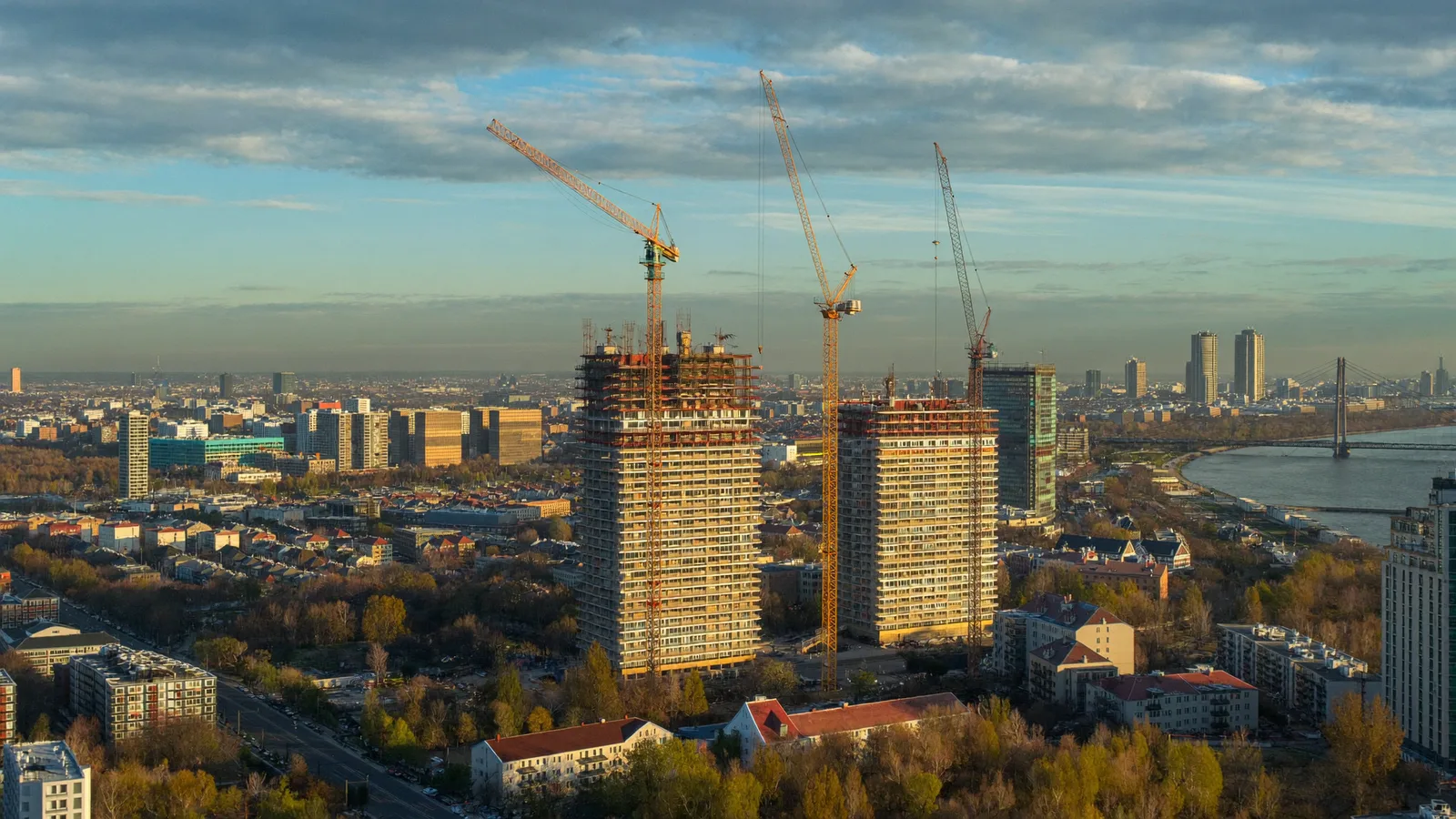
The district’s greatest asset is the M2 metro, which gives one of the fastest commutes to the centre among all right-bank districts. Dworzec Wileński station has been operating since 2015 as the eastern terminus of the first section of the line, and Szwedzka station opened in 2019 together with the extension of the M2 towards Targówek.
Besides the metro, the district is served by a dense tram network linking Praga-Północ with Rondo Wiatraczna, Targówek and the left bank via the Śląsko-Dąbrowski bridge, as well as by bus lines reaching Białołęka and Żerań among others. Next to Dworzec Wileński there is also the Warszawa Wileńska railway station, serving suburban and long-distance connections. This transport layout makes the district work well for people commuting daily to work in Śródmieście, with no need to change lines.
What is the infrastructure like — parks, schools, shops?
Praga-Północ has a fair amount of green space concentrated around the river — Park Praski with the Warsaw zoo is the district’s main green area, popular with families with children and with runners. Around plac Hallera and Nowa Praga you will find kindergartens, primary schools and local retail and service outlets within walking distance of most blocks.
In retail terms the district relies mainly on smaller neighbourhood shops and on post-industrial buildings that have taken on new functions — Centrum Praskie Koneser is today a complex of restaurants, offices and cultural space, while Soho Factory combines loft offices with galleries and food venues. It is precisely this transformation of post-industrial land, described as one of the fastest changes of character among Warsaw districts, that is driving the growing interest in renting in this part of the city.
Who is Praga-Północ for?
The district attracts different groups of tenants depending on the micro-area — this is not a uniform territory, so the choice of location within Praga-Północ matters a great deal.
- Young professionals and freelancers — they value the loft atmosphere of Soho Factory, the proximity of Koneser and the short metro ride to offices in Śródmieście.
- Families with children — they will feel most at home around plac Hallera and Park Praski, where there is greenery, schools and quieter housing.
- Students and people looking for cheaper rent close to the centre — Szmulowizna and Stara Praga offer lower rates than the left bank while keeping a convenient commute.
- People who value a cultural atmosphere — street art, galleries and bars in Nowa Praga create the area’s distinctive, artistic character.
Pelcowizna, because of its industrial character and the small amount of residential development, appears less often in rental listings and is a choice rather for people looking for quiet away from the district’s centre of activity.
How to look for an apartment for rent in Praga-Północ?
Before signing a contract it is worth verifying whether the listing comes from a reliable source and whether the floor area and administrative charges are clearly described — you will find more on how not to be taken in by a fake advertisement in our guide on spotting dishonest listings. It is also worth preparing in advance the full set of documents required by landlords, which we describe in the article on the documents needed to rent an apartment.
Before you settle on a particular micro-area, it is a good idea to see the current listings from across the district in one place — in the allproperty apartment catalogue you can filter offers by floor area, number of rooms and location.
Praga-Północ is a district where the distance of a single street can change both the price and the character of an apartment — from the loft atmosphere of Nowa Praga to the quiet of Pelcowizna. The support we provide at the stage of negotiation, signing the contract and handing over the keys is described on the page for tenants. If you are looking for a specific offer in this area or wondering which micro-area fits your budget and lifestyle, the allproperty team is available 24/7 — just call +48 666 866 468 to receive current listings matched to your M2 metro commute and your real budget for rent.
Common questions
How much does it cost to rent a studio in Praga-Północ in 2026?
As of August 2026: studios of 25-32 m² are usually rented for 2,900-3,300 PLN of rent plus 400-650 PLN of administrative charges. Prices depend on the standard and the distance from a metro station — apartments close to Dworzec Wileński are more expensive than those in Pelcowizna.
Which metro stations serve Praga-Północ?
The M2 line has two stations within the district: Dworzec Wileński (opened in 2015 as the eastern terminus of the first section) and Szwedzka (opened in 2019 when the line was extended towards Targówek). Both lie within Nowa Praga and Szmulowizna.
How does Nowa Praga differ from Stara Praga?
Nowa Praga is the most varied part of the district — it combines pre-war tenement houses on Stalowa and Środkowa, 1950s housing estates around plac Hallera, and green areas along the Wisła with the zoo and Park Praski. Stara Praga is mainly early-20th-century and interwar buildings, and is more intimate in character.
Is Praga-Północ a good place for families with children?
The areas around Park Praski and plac Hallera have plenty of greenery, with schools and kindergartens within walking distance, which suits families. Pelcowizna, as the industrial part with less residential development, is less convenient for life with children than Nowa or Stara Praga.
How quickly can I get from Praga-Północ to the centre of Warszawa?
On the M2 metro, the ride from Dworzec Wileński to Świętokrzyska in Śródmieście usually takes a few minutes, and about a quarter of an hour to Rondo Daszyńskiego in Wola. It is one of the shortest commutes to the centre among the right-bank districts of Warszawa.