New flats in Warszawa — where to buy and for how much
New flats in Warszawa 2026: prices per m2 in Ursus, Włochy, Białołęka and Wola, how to check a developer and how much a mortgage costs today.
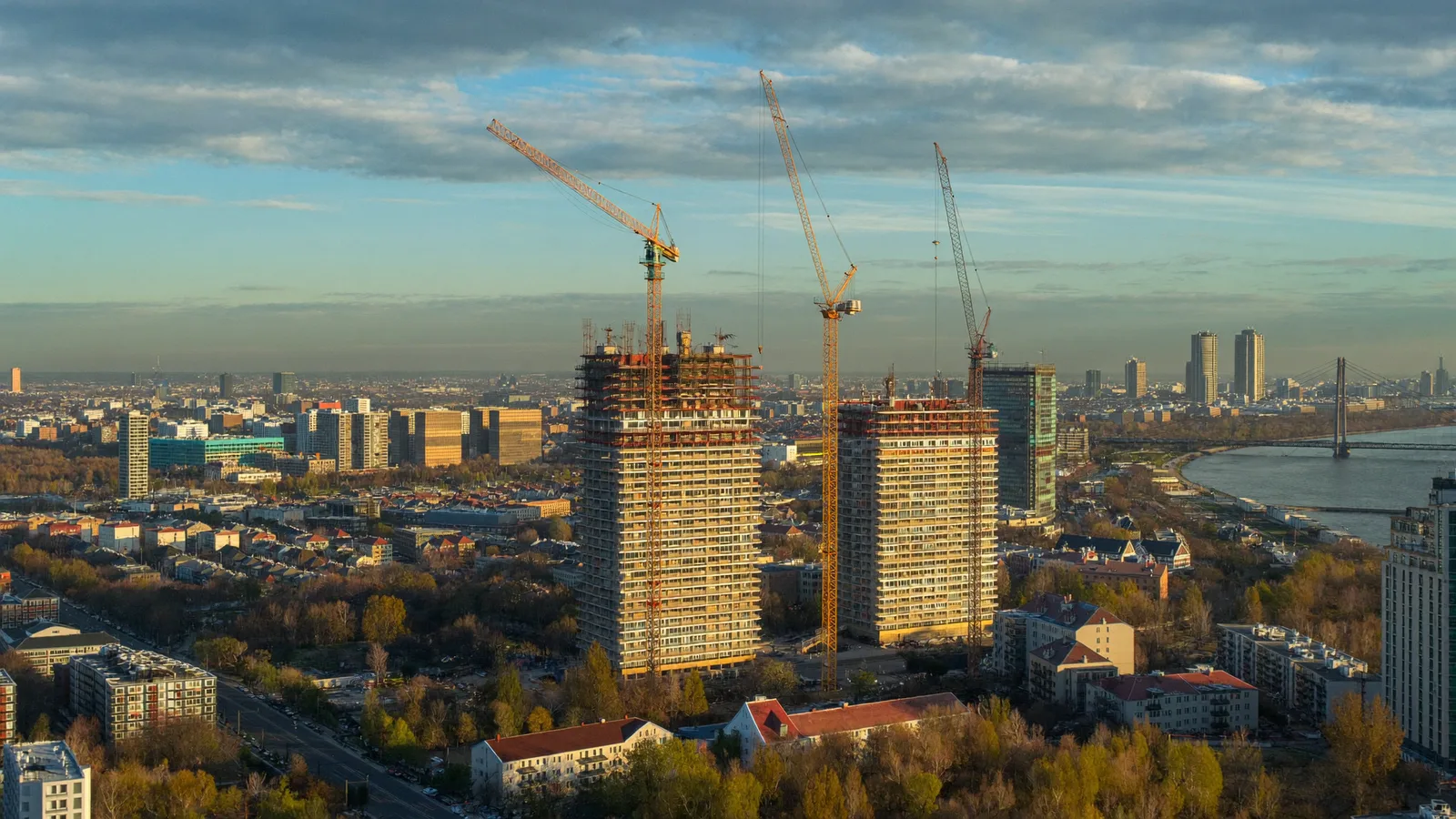
A new flat in Warszawa in 2026 costs on average about PLN 16,475 per m2 — that was the transaction price on the primary market in the first quarter of 2026 according to NBP data. The spread between districts is, however, enormous: from about PLN 13,000 per m2 in Białołęka to PLN 25,000 per m2 and more in the central part of Wola or in Śródmieście. The most new developments are under way today in Białołęka, Ursus, Włochy and Wola — that is where most of the flats entering the market end up. A mortgage for such a purchase costs, in spring 2026, usually 5.5-6.3% per year (WIBOR 3M around 3.8-3.9% plus a bank margin of 1.8-2.5%). Before you sign an umowa deweloperska (developer agreement), it is worth checking the information prospectus, the type of escrow account and the developer’s track record — and when buying with an allproperty agent the commission from the buyer on the primary market is 0%. Below are the concrete figures and checklists for each stage.
How much does a new flat in Warszawa cost at the start of 2026?

The price depends above all on the district and the standard of the development. The table below shows indicative asking ranges at the turn of 2025 and 2026 — a starting point for negotiations, not a valuation of a specific unit.
| District | Price per m2 (range) | Character of the offer |
|---|---|---|
| Białołęka | about PLN 13,000-14,500 | the most units on sale, family estates |
| Ursus | about PLN 14,000-15,500 | former post-industrial land, large multi-stage estates |
| Włochy | about PLN 15,500-17,500 | close to the airport and the WKD railway, smaller intimate developments |
| Wola (Górczewska, Młynów, Koło) | about PLN 15,000-18,000 | the further part of the district |
| Wola (Rondo Daszyńskiego, Czyste) | about PLN 20,000-27,000 | business area, high-rises, M2 metro |
| Śródmieście | from PLN 25,000, premium segment PLN 30,000+ | apartments in the strict centre |
Asking prices from developers’ price lists can be higher than actual transaction prices — the difference comes from discounts, package deals and negotiations. You will find broader context on the whole market, including the secondary one, in the summary of flat prices in Warszawa.
Where in Warszawa are the most flats being built?
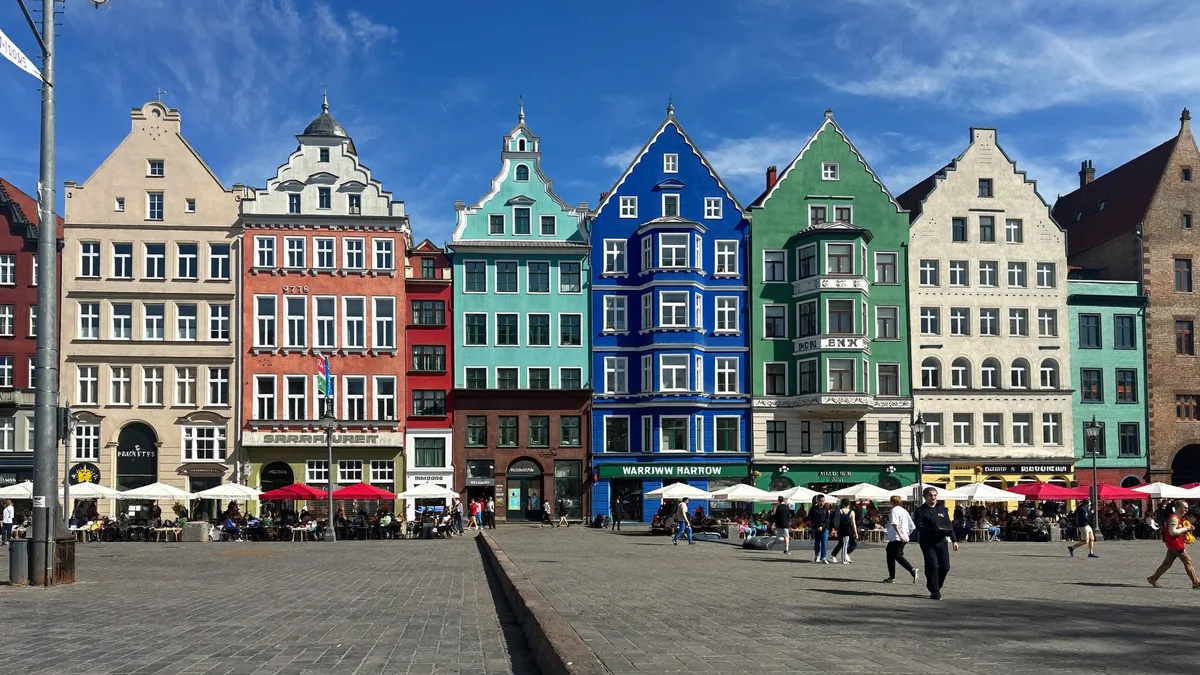
Four districts account today for most of the new supply in the capital, each with a different buyer profile.
- Białołęka — the largest number of units on sale of any district, with projects such as My Forest or Olchowy Park. Large estates with greenery, but weaker transport links to the centre than in the other three.
- Ursus — the former ZPC Ursus factory grounds, intensively redeveloped over the past few years. Developments such as Next Ursus, Fabrica Ursus or Murapol Urcity offer a wide choice of floor areas at reasonable prices.
- Włochy — proximity to Chopin Airport, the WKD railway and the planned metro extension. Smaller, intimate estates (Miasteczko Jutrzenki, Osiedle Urbino) at prices between Ursus and Wola.
- Wola — the most varied in price: the deeper part of the district competes with Ursus, while the Rondo Daszyńskiego area has some of the highest rates in the city, driven by proximity to office towers and the M2 metro.
We compare current developments in these and other locations on an ongoing basis, and we describe the scope of our help with buying a flat from a developer separately.
How do you check a developer before signing?
Before you pay any money, the developer is obliged to hand you an information prospectus free of charge — an integral part of the future agreement. It is worth checking several things in it:
- The legal status of the plot — the księga wieczysta (land and mortgage register) number, mortgage encumbrances, the creditor’s consent to separating the unit free of encumbrances.
- The building permit — whether it is final and covers exactly this building.
- The developer’s track record — the number of completed developments and information on whether enforcement proceedings above PLN 100,000 are pending against it.
- The company’s financial statements for the last two years, attached to the prospectus.
- The type of escrow account and the payment schedule.
We described a detailed checklist and the questions to ask the sales office in the article how to check a developer. The umowa deweloperska itself — including the clauses you need to watch for before signing at the notary — is covered separately in the guide the developer agreement: what to watch out for.
What is the escrow account and the Developer Guarantee Fund?
Every development covered by the developer act must have a housing rachunek powierniczy (escrow account, MRP) — either open or closed. With an open account the bank pays the developer the funds in tranches, as construction progresses; with a closed one, only after ownership has been transferred to the buyer, which is safer but less common.
The MRP is complemented by the Deweloperski Fundusz Gwarancyjny (DFG, Developer Guarantee Fund), which covers agreements concluded from 1 July 2022. The protection runs from the first payment until the moment ownership is transferred. The developer pays a contribution: 0.1% of the payment for a closed account or 0.45% for an open one. The type of account and the amount of the contribution should match in the prospectus and in the agreement — we describe the mechanics of this safeguard more broadly in the article on the escrow account.
How much does a mortgage for a flat from a developer cost today?
In spring 2026 the NBP reference rate is 3.75% and WIBOR 3M hovers around 3.8-3.9%. On top of that the bank adds its own margin, depending on the down payment, the LTV and the client profile — according to AMRON-SARFiN for the first quarter of 2026, the average margin for a model loan (PLN 450,000, 80% LTV, 25 years) came to 1.78%. In practice the nominal interest rate on variable-rate loans today usually falls within the 5.5-6.3% range.
The standard required down payment is 20% of the property value — below that banks usually require additional insurance. It is worth comparing offers from at least three banks at an identical LTV: a difference of 0.5 percentage points in the margin on a PLN 600,000 loan over 25 years amounts to thousands of złoty a year. We describe the process step by step in the guide how to buy a flat with a mortgage in Warszawa, and the context of government programmes in the articles on Bezpieczny Kredyt 2% and on what is next for the Mieszkanie na Start programme.
What additional costs await you when buying a flat from a developer?
The price on the developer’s list is not everything, though the primary market has several advantages over the secondary one. VAT (usually 8% for units up to 150 m2) is already included in the price, and a buyer of a new flat does not pay PCC (civil-law transactions tax) — that applies only to the secondary market. In reality, however, you have to add:
- the notary fee for the deed of the developer agreement and the deed transferring ownership,
- the fee for entering the ownership right into the księga wieczysta,
- the mortgage entry, if the purchase is financed by a loan,
- any agent’s commission — at allproperty, on the primary market, it is 0% on the buyer’s side.
You will find a full breakdown of these fees, with example amounts, in the article on the notarial costs of buying a flat.
Is it worth buying a flat at an early stage of construction?
Buying “from a hole in the ground” can be as much as a dozen or so percent cheaper than the price at handover, but it involves a longer wait and the risk of the schedule changing. If you decide on such a purchase, checking the developer and the type of escrow account described above becomes all the more important — it is these, not the price itself, that determine how safe your payments are. When construction is finishing, the technical handover of the unit becomes crucial — a thorough inspection for defects before signing the report, described step by step in the article on the technical handover of a flat. For a broader picture of where the whole Warszawa market is heading this year, see the article on property market trends in 2026.
The choice between Białołęka, Ursus, Włochy and Wola is in practice a choice between price and distance from the centre — there is no single right answer here, only a fit to your budget and your everyday routes. If you would rather not dig through dozens of prospectuses and price lists on your own, an allproperty agent will help narrow the choice down to a few realistic options from the catalogue of flats in Warszawa, check the developer’s documents and take you through the whole process — and when buying on the primary market you will not pay the agent a commission: the rate for the buyer on the primary market is 0%. Have a doubt about a clause in the prospectus or the type of escrow account in the evening, just before signing the agreement the next day? Do not wait until morning — allproperty operates 24/7, call: +48 666 866 468.
Common questions
How much does a square metre of a new flat in Warszawa cost in 2026?
According to NBP data for the first quarter of 2026, the average transaction price on the primary market in Warszawa was about PLN 16,475 per m2. In practice the range is wide: from about PLN 13,000 per m2 in Białołęka to over PLN 25,000 per m2 in the central part of Wola and in Śródmieście.
Which districts of Warszawa have the most new residential developments?
Developers offer the largest number of units under construction and on sale in Białołęka, Ursus, Wola and Włochy — together that is several thousand flats across several dozen developments. Białołęka usually has the lowest prices per m2, and Wola closer to the centre the highest of this group of four.
What is the Deweloperski Fundusz Gwarancyjny and whom does it protect?
The DFG (Developer Guarantee Fund) protects the payments made by buyers into a housing rachunek powierniczy (escrow account) from the moment of the first payment until ownership of the unit is transferred. It covers umowa deweloperska (developer agreement) contracts concluded from 1 July 2022. The contribution is 0.1% of the payment for a closed account and 0.45% for an open one — it is paid by the developer.
What is the interest rate on a mortgage for a flat from a developer today?
In spring 2026 the NBP reference rate is 3.75% and WIBOR 3M is around 3.8-3.9%. With a bank margin of the order of 1.8-2.5% (the AMRON-SARFiN average for Q1 2026 is 1.78% for a PLN 450,000 loan at 80% LTV), the nominal interest rate usually falls within the 5.5-6.3% range.
How much does allproperty's agency service cost when buying a flat from a developer?
On the primary market we charge the buyer no fee (0%). The agent helps compare offers, read the prospectus and go through the technical handover at no additional cost on the client's side.