Apartment for rent in Żoliborz — a guide to the district
Apartment for rent in Żoliborz, Warszawa: prices by size, the difference between Stary Żoliborz and Sady, the M1 metro, parks and schools — a guide.
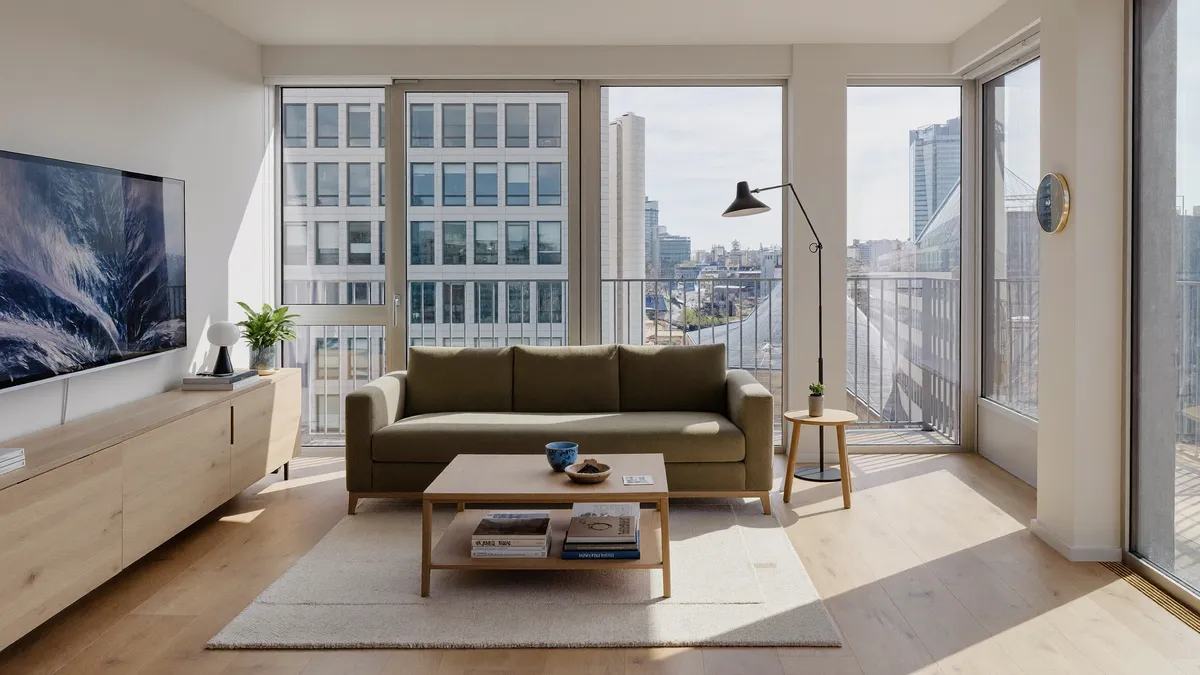
How much does an apartment for rent in Żoliborz cost? According to market data from August 2026, the median rent in the district is about 3,500 zł per month at a median floor area of 45 m², which gives an average rate of 80–84 zł/m². Studios usually rent for 2,500–3,000 zł, two-room flats for 3,100–4,500 zł, and larger units in the tenement houses of Stary Żoliborz or the villas of Żoliborz Oficerski can cost markedly more. Żoliborz is the smallest district of Warszawa (8.47 km², about 58,700 residents according to data from the end of 2024), yet very varied internally — the price and character of a flat depend here largely on whether you are looking in Stary Żoliborz, in Sady Żoliborskie or in Marymont.
How much does renting an apartment in Żoliborz cost in 2026?
The rental market in Żoliborz is relatively shallow by Warszawa standards — in August 2026 around 800 offers were active, which is just under 3.1% of all rental listings in the capital. Even so, the supply covers the full range: from studios in blocks to apartments in pre-war tenement houses and villas.
The table below shows indicative rent ranges by number of rooms, based on offers from August 2026:
| Type of apartment | Median rent | Typical floor area | Rate zł/m² |
|---|---|---|---|
| Studio (1 room) | approx. 2,600 zł | 25–30 m² | 80–120 zł |
| 2 rooms | approx. 3,600 zł | 40–55 m² | 70–85 zł |
| 3 rooms and larger | 5,500 zł and more | 55–75 m² | 60–75 zł |
On top of the rent you have to add the czynsz administracyjny (building administration fee, usually 700–1,100 zł, depending on the building and on whether a garage is included in the price) plus utilities. It is also worth remembering that the spread of prices within the district itself is wide — from modest studios at 1,800–2,000 zł in older blocks to apartments in the range of 9,000–15,000 zł in prestigious locations, which is why narrowing the search to a specific sub-area genuinely shortens the process. Current offers with a floor-area and location filter can be browsed in the allproperty apartment catalogue.
How do the sub-areas of Żoliborz differ?
Formally Żoliborz is divided into three larger areas — Stary Żoliborz, Sady Żoliborskie and Marymont-Potok — and each of them into smaller, historic parts. For a tenant this is not only a matter of address, but a real difference in price and in the feel of the neighbourhood.
- Żoliborz Oficerski (around plac Słoneczny and plac Inwalidów) — interwar villas built for the officer corps, the most prestigious and most expensive fragment of the district: quiet and green.
- Stary Żoliborz / Żoliborz Spółdzielczy — modernist WSM estates from the 1920s–30s (including designs by Barbara and Stanisław Brukalski), the Plac Wilsona metro station right in the centre of the estate, intimate scale.
- Żoliborz Dziennikarski and Urzędniczy — low-rise development from the 1930s, a “garden city” atmosphere, formerly the houses of the journalists’ and civil servants’ cooperatives.
- Sady Żoliborskie — the cult estate designed by Halina Skibniewska, blended into a former orchard, plenty of greenery between the blocks, but the standard of a flat depends heavily on whether the building has been renovated.
- Żoliborz Południowy (formerly industrial, around Przasnyska and Rydygiera) — a larger scale of development, blocks and towers from the 1960s plus newer investments, cheaper than Stary Żoliborz, closer to Dworzec Gdański.
- Marymont-Potok — around Kępa Potocka and Las Bielański, a mix of older buildings and new investments, usually the cheapest area of the district, although some estates lie further from the metro.
Anyone looking for historic atmosphere and quiet close to the centre should look towards Stary Żoliborz and Żoliborz Oficerski. Anyone who prefers lower rent and proximity to the greenery along the Vistula will find Marymont-Potok a sensible compromise. We write more about purchase prices in the individual parts of the district in the text apartment for sale in Żoliborz.
How do you get around from Żoliborz — metro, trams, buses?
In transport terms Żoliborz is among the best-connected districts of Warszawa close to the centre. The backbone is the M1 metro — two stations operate within the district: Plac Wilsona (in the heart of Stary Żoliborz) and Marymont (closer to Sady Żoliborskie and Kępa Potocka). The metro ride to the strict centre takes roughly 7–12 minutes.
The metro is complemented by a dense tram and bus network:
- Trams running along Broniewskiego, Popiełuszki and Mickiewicza streets, among others — lines such as 6, 15, 22, 27, 28, 33 and 35 connect Żoliborz with Śródmieście, Wola, Mokotów and Praga-Północ.
- Buses (including 114, 116, 122, 157, 181, 185, 518) act as feeders to the metro stations and tram stops, and also serve areas without rail transport.
- Rail — the S4, R80/RE80 and R90/RE90 lines also stop near the district, which can be useful for commuting from outside the centre of the agglomeration.
In practice, residents of Żoliborz need a car for everyday life less often than in other districts — the metro and tram cover most typical routes. People looking for a similarly good metro connection but in a different part of the city can also check the ranking of Warszawa districts with the best metro access.
What is the infrastructure and greenery like in Żoliborz?
Żoliborz has a reputation as one of the greenest districts close to the centre of Warszawa, which for many tenants is the main argument for the higher rent. The largest recreational areas are:
- Park im. Stefana Żeromskiego — 4.7 ha by plac Wilsona, a former fortification transformed into a modernist park (1925–1932), with a playground and the cult Prochownia café.
- Park Kępa Potocka — an extensive area by an old branch of the Vistula on ul. Gwiaździsta, walking and cycling paths, popular with runners.
- Cytadela Warszawska and Park Cytadela — a historic fortress with museums, adjoining Żoliborz Oficerski.
- Park Kaskada and Las Bielański — within walking distance of Marymont.
The district is also well equipped with educational facilities — there are nurseries, kindergartens and well-regarded secondary schools (including the one with the Joachim Lelewel tradition and the bilingual Czartoryska school). Add to that libraries, sports facilities, clinics and everyday shopping — chain supermarkets, local shops and marketplaces scattered across the main estates. The Żoliborz District Office of the City of Warszawa is located at ul. Słowackiego 6/8.
Who is renting an apartment in Żoliborz for?
Żoliborz works in several very different rental scenarios, which is visible in the structure of the available offers.
- Families with children — they value the proximity of parks, playgrounds, nurseries, kindergartens and schools, as well as a calmer rhythm of life than in Śródmieście, while keeping a short commute to the centre.
- Singles and couples without children — they choose studios and two-room flats close to the Plac Wilsona or Marymont metro, valuing the intimate scale of the district and not having to live in the most expensive Śródmieście.
- People who value history and architecture — Stary Żoliborz and Żoliborz Oficerski form one of the best-preserved ensembles of pre-war development in Warszawa, attractive to tenants looking for character instead of an anonymous block estate.
- Those looking for a lower budget with good transport — Marymont-Potok and Żoliborz Południowy offer lower rents than Stary Żoliborz while keeping access to the metro and greenery.
It has to be remembered, though, that the character of a street can differ greatly within one district — the side blocks of Stary Żoliborz can be very quiet, but along the main arteries (Trasa Armii Krajowej, ul. Mickiewicza, ul. Słowackiego) you have to reckon with heavier traffic and harder parking. People comparing different districts with families with children in mind will find broader context in the text the best districts of Warszawa for families with children.
How to search effectively for an apartment to rent in Żoliborz?
Because of the shallow market — a few hundred active offers for the whole district — good flats in attractive locations disappear from listings relatively quickly. A few practical rules make the search easier:
- Narrow the search to a specific sub-area (Stary Żoliborz, Sady Żoliborskie, Marymont) instead of browsing the whole district — prices and standards differ markedly there.
- Check the distance to the nearest metro station (Plac Wilsona or Marymont) — this is the main factor affecting rent at a comparable floor area.
- View the flat and the neighbourhood at different times of day, especially if the address lies close to the main arteries.
- Before signing, gather the documents required by the landlord — more on this in the guide documents for renting an apartment.
- Pay attention to the form of the agreement — we describe the differences between an ordinary lease and najem okazjonalny (occasional lease) in the guide to najem okazjonalny.
- In a shallow market it helps to have someone who reacts to a new listing straight away — what help with renting for tenants involves is described in a separate section: selecting offers, arranged viewings and checking the agreement.
Current listings from Żoliborz — broken down by floor area, number of rooms and sub-area — can be found in the allproperty apartment catalogue, and owners planning to rent out their unit in this district can check the terms of cooperation on the for owners page.
If you are looking for a specific apartment in Żoliborz — whether a studio close to the Plac Wilsona metro or a larger unit in the villa-lined Żoliborz Oficerski — the allproperty team is available 24/7 and will gladly advise which sub-area of the district matches your budget and lifestyle. Call +48 666 866 468 — we usually arrange a viewing even on the same day.
Apartments in this district
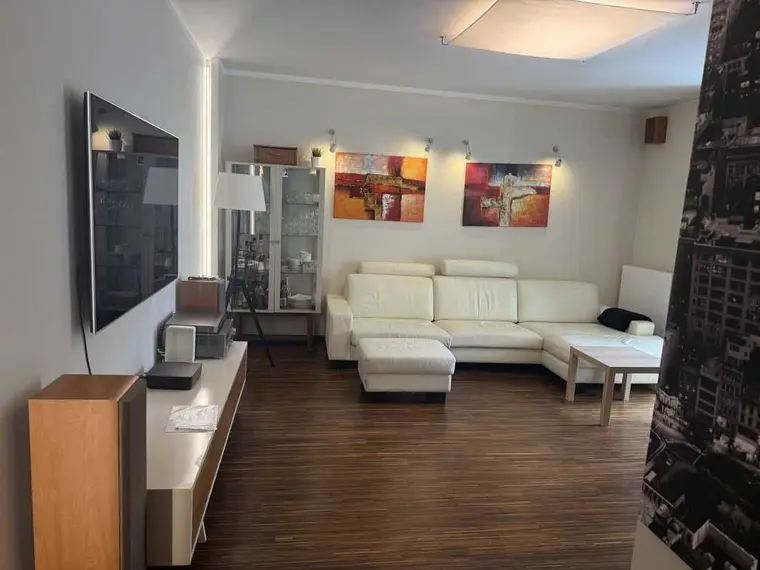
2 rm · 62 m²
5 700 zł/month fee included
garage includednear metro
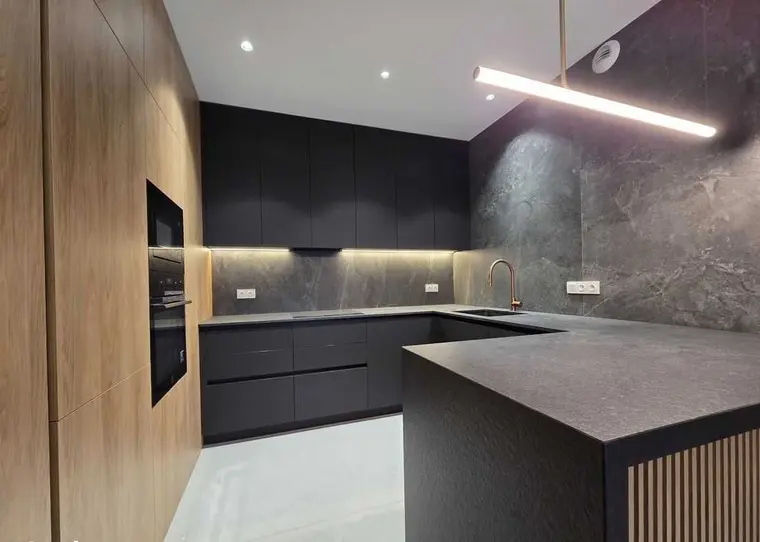
A modern 62 m² apartment on the 4th floor, right by Warszawa Gdańska metro. Living room with kitchenette, bedroom, garage included.
2 rm · 50 m²
5 400 zł/month + fee 650 zł
garageair conditioningnew building
A new 50 m² with air conditioning and a separate kitchen on a gated estate. Balcony, garage optional.
Common questions
How much does it cost to rent an apartment in Żoliborz?
According to data from August 2026, the median rent in Żoliborz is about 3,500 zł per month at a median floor area of 45 m². Studios (1 room) have a median of about 2,600 zł, two-room flats about 3,600 zł. The rate per m² averages 80–84 zł, but depends heavily on the sub-area and the standard of the building.
Which sub-area of Żoliborz is the most expensive and which is the cheapest?
The most expensive are the villa-style Żoliborz Oficerski and the intimate Stary Żoliborz — quiet, pre-war architecture, prestige. The cheapest rentals are in the WSM blocks of Żoliborz Południowy and in Marymont-Potok, especially in the older, unrenovated parts of Sady Żoliborskie.
How do you get from Żoliborz to the centre of Warszawa?
The fastest way is the M1 metro from the Plac Wilsona or Marymont stations — the ride to the centre takes roughly 7–12 minutes. The district is also served by several tram lines (including 6, 15, 22, 27, 28, 33, 35) and a dozen or so bus lines, so getting around without a car is convenient almost everywhere here.
Who is Żoliborz for — families or singles?
Żoliborz works for both groups, but for different reasons. Families value the parks, playgrounds, nurseries, kindergartens and well-regarded secondary schools, while singles and couples value the intimate scale, the metro at hand and the short commute to the centre without having to live in the strict city centre.
Is parking easy in Żoliborz and is noise something to watch out for?
The side streets of Stary Żoliborz and Żoliborz Oficerski are calm, but along the main arteries (Trasa AK, ul. Mickiewicza, ul. Słowackiego) you have to reckon with traffic and harder parking. Before signing an agreement it is worth viewing the neighbourhood at different times of day.