Apartment for rent in Śródmieście — a guide to the district
Apartment for rent in Śródmieście, Warszawa: prices by floor area in 2026, the Muranów and Powiśle micro-areas, metro M1 and M2, trams and how to search.
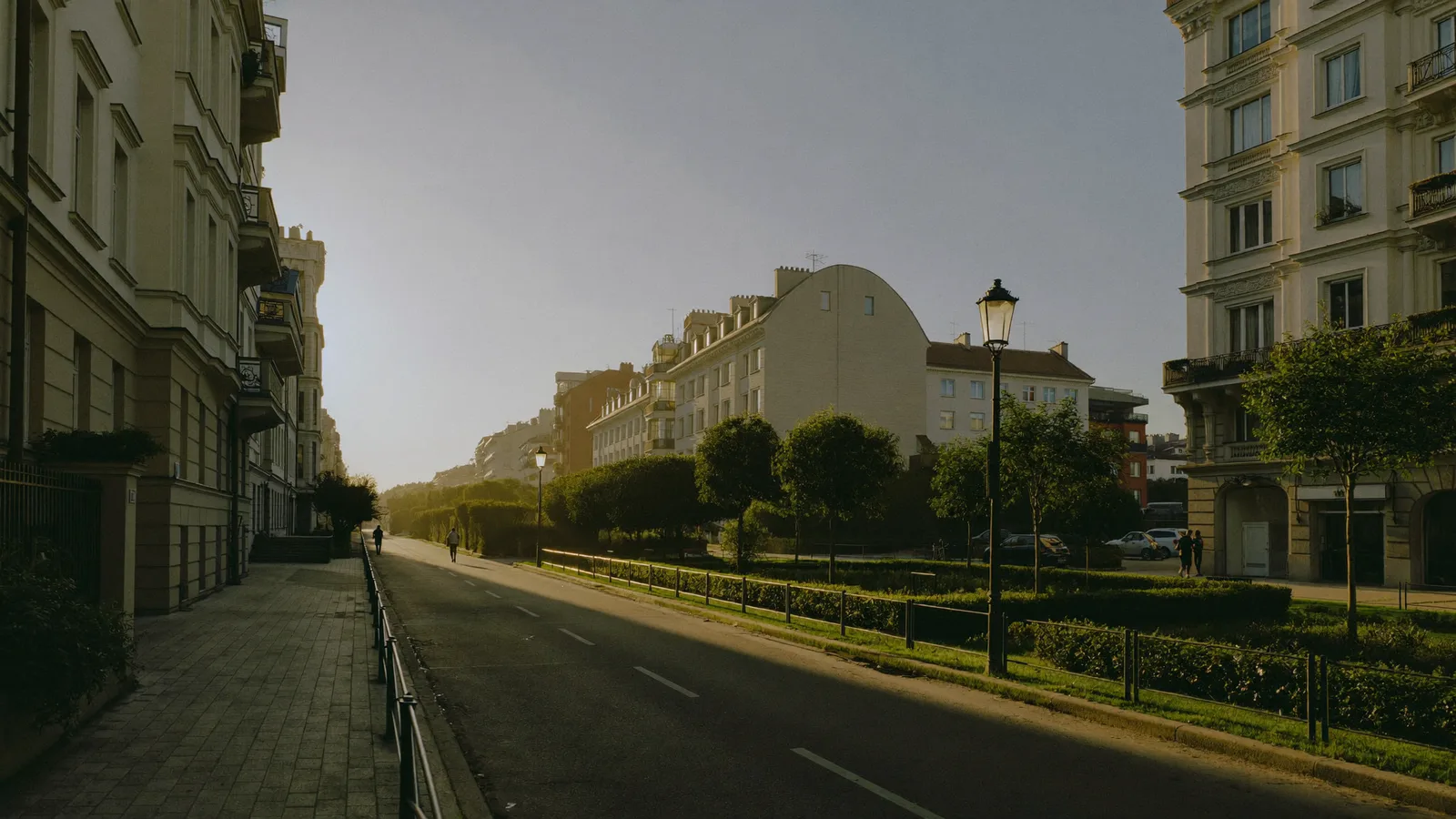
Renting an apartment in Śródmieście in August 2026 is an expense clearly higher than the average for the whole of Warszawa — the median asking price in this district is 6,264 PLN a month, against a median of 3,500 PLN calculated for the whole city (znajdznajem.pl data, as of August 2026, based on approx. 3,450 active listings). A studio of up to 30 m² usually costs 4,000-5,500 PLN, an apartment of 30-50 m² is an outlay of the order of 3,500-6,000 PLN, that is approx. 95 PLN/m², and units of 50-80 m² are rented for 5,000-8,500 PLN (nieruchomosci-ceny.pl data, February 2026). The largest apartments, above 80 m², start at approx. 6,000 PLN and reach 10,000 PLN and more.
Śródmieście, however, is not one uniform market but a mosaic of micro-areas — from historic Muranów, through intimate Powiśle, to the business surroundings of Rondo ONZ — linked by two metro lines, trams and buses. In this guide we show prices by floor area, the differences between the sub-areas, the real commuting time and who this district actually works for, and who it does not.
How much does it cost to rent an apartment in Śródmieście?
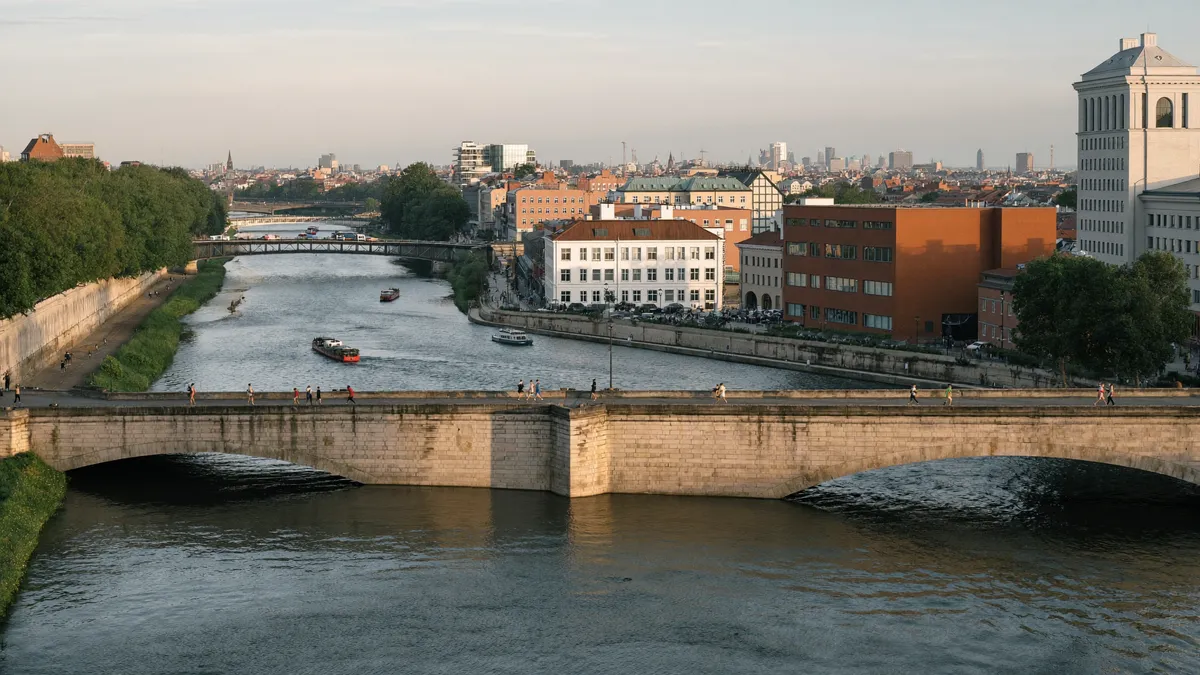
Prices in Śródmieście rise with proximity to the metro and the representative streets, but in this district the dependence on floor area matters just as much as location. The ranges below come from compilations of listings active in 2026 and show the typical price spread.
| Floor area | Type of apartment | Price / month (as of 2026) | Indicative PLN/m² |
|---|---|---|---|
| up to 30 m² | studio | 4,000-5,500 PLN | approx. 110-120 PLN |
| 30-50 m² | 1-2 rooms | 3,500-6,000 PLN | approx. 95 PLN |
| 50-80 m² | 2-3 rooms | 5,000-8,500 PLN | approx. 80 PLN |
| 80 m²+ | 3-4 rooms / apartment | 6,000-10,000 PLN+ | approx. 70 PLN |
For comparison, the domiporta.pl portal reports that the floor area appearing most often in rental listings in Śródmieście is approx. 38 m² with two rooms, and the average price of such a listing is approx. 7,570 PLN, which gives approx. 98 PLN/m² (domiporta.pl data, 2026). It is worth remembering that on top of the rent there is usually a czynsz administracyjny (the administrative fee paid to the cooperative or owners’ association) of the order of 600-800 PLN, plus utility charges settled by consumption — an amount by which the budget has to be increased when comparing offers.
What are the micro-areas of Śródmieście and how do they differ?
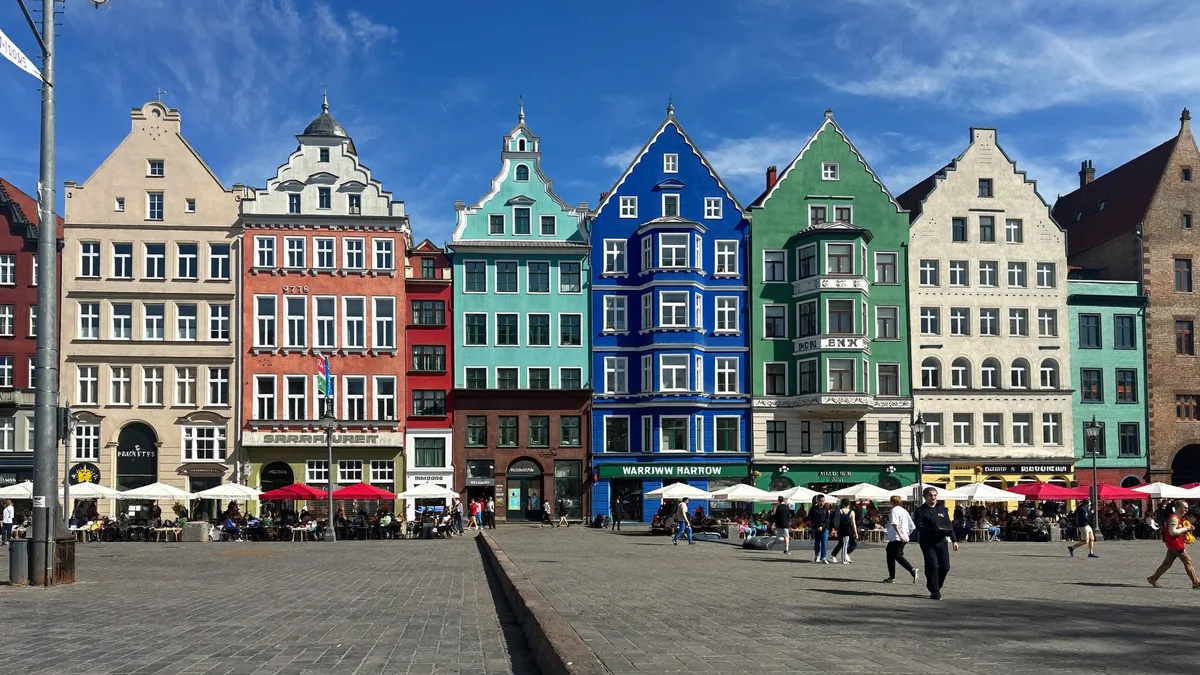
Formally Śródmieście is divided into a dozen or so administrative estates, but from a tenant’s perspective what counts is a handful of clearly different building characters. Muranów is a post-war estate in the north of the district, quieter and greener than the strict centre — we describe it more broadly in a separate guide to Muranów. The Old Town and the surroundings of Krakowskie Przedmieście are historic fabric, with a smaller supply of apartments and higher rental prices because of tourism.
Powiśle, lying on the Wisła escarpment between Nowy Świat and the river, has an intimate, café-lined atmosphere and is close to the University Library — we write about the differences from the rest of the district in the guide to Powiśle. Śródmieście Południowe, around the Politechnika and Pole Mokotowskie, attracts students and young professionals, while Śródmieście Północne — the area of Chmielna, Żelazna and the railway station — is more office-oriented, compact development with a large number of studios rented out both short- and long-term.
What is commuting by metro, tram and bus like?
Śródmieście is the only district of Warszawa through which both metro lines run at the same time, which genuinely shortens the commute to work regardless of the micro-area in which you rent. Line M1 serves the stations Dworzec Gdański, Ratusz Arsenał, Świętokrzyska, Centrum and Politechnika here, while line M2 serves Rondo ONZ, Świętokrzyska, Nowy Świat-Uniwersytet and Centrum Nauki Kopernik (as of August 2026). The two lines cross at Świętokrzyska station, which gives a direct interchange without coming up to the surface.
For the two planned new M1 line stations — Plac Konstytucji and Muranów — the city already has the design documentation and a building permit ready, but the final decision on starting the works and the completion date have still not been settled (as of 2026) — they are worth treating as a project in progress rather than an investment with a certain date. The tram network runs along the main arteries — Marszałkowska, Al. Jerozolimskie and Krakowskie Przedmieście — and numerous bus lines fill in the connections where the metro has not yet reached. In practice, from most addresses in Śródmieście you reach an interchange hub on foot or with a single mode of transport.
What is the infrastructure like — parks, schools, shops?
Contrary to the stereotype of a “concrete centre”, Śródmieście has a fair amount of greenery — there are about 20 parks within the district, including Łazienki Królewskie, Ogród Saski, Park Ujazdowski, Ogród Krasińskich and Park Rydza-Śmigłego. To the west the district also borders Pole Mokotowskie, an extensive sports and recreation park lying on the boundary of three districts. That is a real advantage over many other locations close to the centre.
The retail and educational infrastructure here is dense and varied — from the historic Hala Mirowska to chain grocery shops scattered within a few hundred metres almost everywhere. The district has both public primary schools and non-public institutions, and the proximity of Uniwersytet Warszawski and Politechnika Warszawska makes the areas of Powiśle and Śródmieście Południowe the natural choice for students and lecturers looking for an apartment close to their university.
Who is Śródmieście for, and who is it not for?
Śródmieście works above all for singles, couples without children and young professionals, for whom commuting time and access to culture, dining and social life without needing a car are what count. Students of UW and the Politechnika will also feel at home here, as will people working in a hybrid arrangement who value the proximity of the offices around Rondo ONZ and Świętokrzyska.
The district is a less natural choice for families looking for a large floor area at a reasonable price and for people who treat quiet as a priority — with approx. 97,073 residents (as of mid-2025) on a relatively small area, the building density and street traffic are noticeable here, especially around Marszałkowska and Al. Jerozolimskie. In such cases it is worth considering the quieter micro-areas within the district itself, such as Muranów, or neighbouring districts with a better ratio of floor area to price.
How to look for an apartment for rent in Śródmieście?
Because of the high prices and strong competition for good locations, in Śródmieście it particularly pays to have a complete set of documents ready and clarity about the rental terms before the right listing appears. Before signing a contract it is worth looking at three texts:
- the summary of documents needed to rent an apartment — what to prepare in advance;
- the guide to the rental contract and what to watch out for — which provisions are unfavourable;
- the article on the deposit and tenants’ rights — what rules govern the return of the deposit.
It is also worth staying alert to listings that look too attractive for this location.
A practical way to save time is to browse the current offering in one place — in the allproperty apartment catalogue you filter units by district, floor area and budget, which lets you reach the listings actually available in Śródmieście faster, without clicking through dozens of portals.
Good apartments in Śródmieście — especially studios close to the metro and units priced below the median — disappear from the market within a few days, which is why at allproperty we take enquiries about rentals and viewings around the clock: +48 666 866 468. If you are interested in a specific address in this district or would like us to notify you when a new listing appears within your budget, call at any time — we also work for owners of apartments in Śródmieście, advising them on valuation and the choice of tenant (see the offer for owners and for tenants).
Apartments in this district
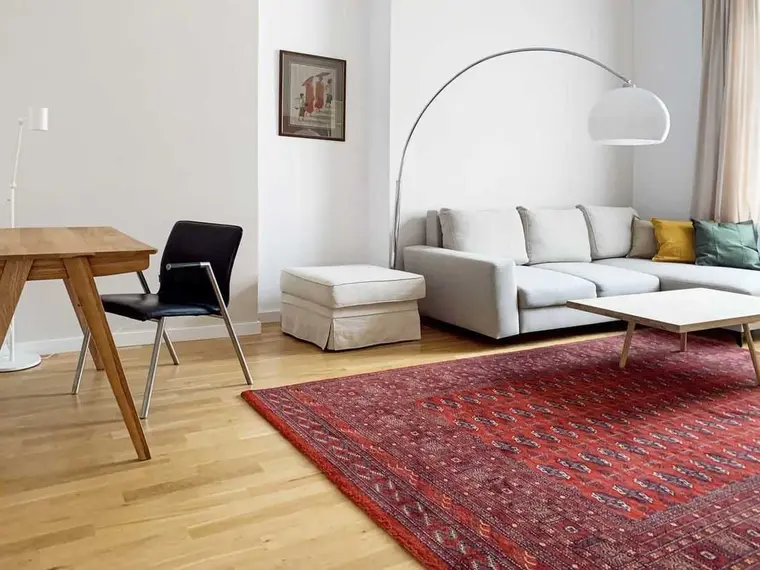
2 rm · 55 m²
5 700 zł/month + fee 750 zł
An atmospheric 55 m² flat in a restored tenement house on Mokotowska: four-metre ceilings, a prestigious address.
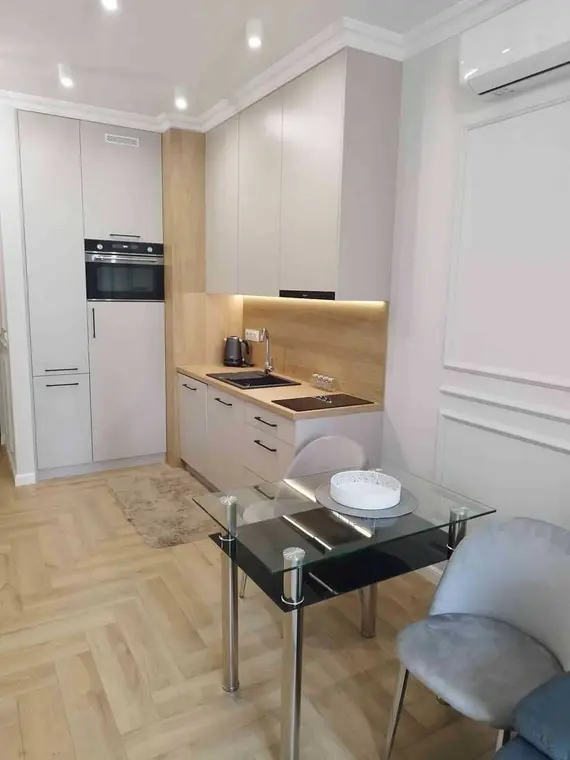
2 rm · 39 m²
5 900 zł/month + fee 450 zł
gardenpets OKnew building
A new 39 m² premium flat at Złota 69: rooftop winter garden with a view over the centre, 24/7 security. The heart of Warsaw.
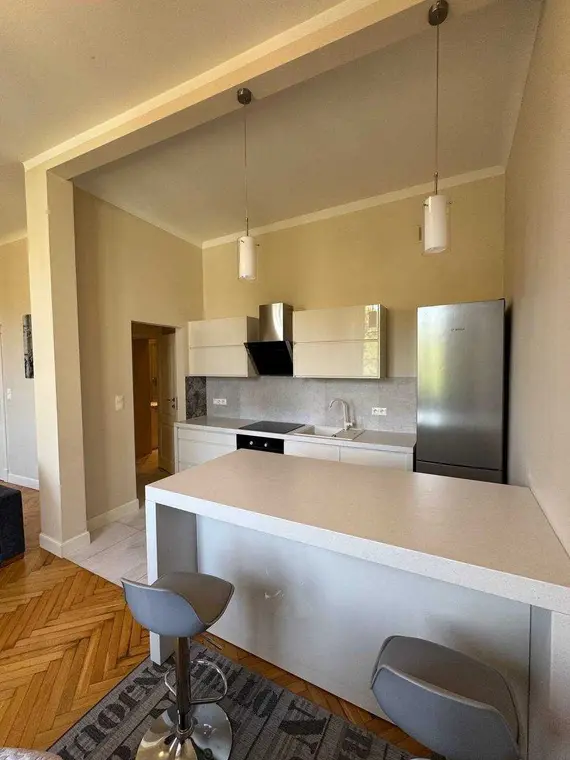
2 rm · 61 m²
5 200 zł/month + fee 900 zł
An exceptional 61 m² in a 1935 tenement house: high ceilings, windows onto Krasiński Park, the heart of old Warsaw.
Common questions
How much does it cost to rent a studio in Śródmieście in 2026?
A studio of up to 30 m² in Śródmieście usually costs 4,000-5,500 PLN a month (as of February 2026, nieruchomosci-ceny.pl data), which is as much as twice the median for the whole of Warszawa, standing at 2,600 PLN. The final price depends on the condition of the tenement house, the floor and proximity to a metro station.
How does Muranów differ from Powiśle within Śródmieście?
Muranów is quieter, post-war block housing in the north of the district, close to the planned new M1 metro stations Plac Konstytucji and Muranów. Powiśle lies along the Wisła, has an intimate, café-lined atmosphere and is close to the University Library — a different character of living from the rest of Śródmieście.
Which metro lines serve Śródmieście?
Both lines run through the district: M1 with stations including Dworzec Gdański, Ratusz Arsenał, Świętokrzyska and Centrum, and M2 with the stations Rondo ONZ, Świętokrzyska, Nowy Świat-Uniwersytet and Centrum Nauki Kopernik (as of August 2026). The two lines cross at Świętokrzyska station.
How many residents does Śródmieście have?
Śródmieście is inhabited by approx. 97,073 people (based on registration figures, as of mid-2025), which is about 5 percent of the population of Warszawa, on a relatively small district area — hence the high building density and strong competition for apartments to rent in the most attractive locations.
Are there parks and green areas in Śródmieście?
Yes, there are about 20 parks within the district, including Łazienki Królewskie, Ogród Saski, Park Ujazdowski and Ogród Krasińskich, and to the west the district borders Pole Mokotowskie. That is a real asset for tenants looking for greenery close to the centre.