Apartment for sale in Praga-Północ — prices and what you should know
Apartment for sale in Praga-Północ, Warszawa: prices per m² on the secondary and primary market, tenement houses vs new developments and who it suits.
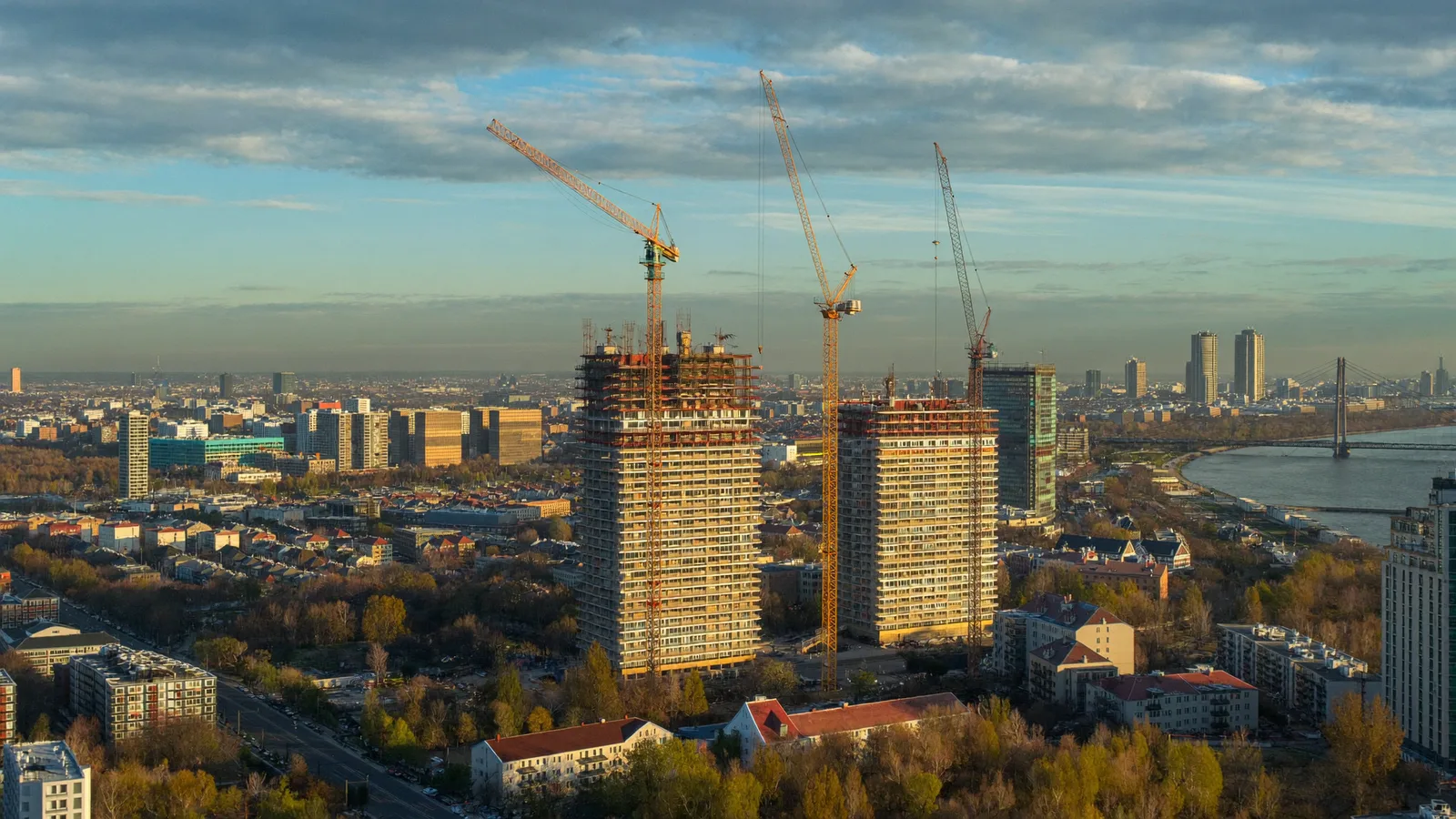
An apartment for sale in Praga-Północ is today one of the more interesting, but also the most uneven, offers on the right bank of Warszawa. The secondary market is valued at approx. 15,000-16,000 PLN/m² (median transaction price, as of September 2025), while new developer apartments usually cost 17,000-18,500 PLN/m², and in prestigious developments such as Port Praski or Koneser asking prices reach 20,000 PLN/m² and more. That is still clearly cheaper than in Śródmieście or Żoliborz, with two M2 metro stations (Dworzec Wileński, Szwedzka) and a few minutes to the centre.
The difference between a renovated tenement house on Ząbkowska and a prefabricated concrete block in Pelcowizna can be enormous — not only in price, but also in standard, noise levels and the availability of a lift. Below we show how to read this market: how much a metre really costs, which building types dominate where, and what to look out for before signing a contract.
How much does an apartment in Praga-Północ cost in 2025?
Warszawa-wide NBP data for Q2-Q3 2025 show an average transaction price of approx. 16,300-16,400 PLN/m² on both the primary and the secondary market. Praga-Północ departs from that average in both directions — depending on the segment.
| Segment | Price per m² (September 2025, indicative) | Characteristics |
|---|---|---|
| Secondary market — tenement houses, prefabricated blocks | approx. 14,500-16,500 PLN | median transaction price, wide spread depending on the condition of the building |
| Primary market — standard developments | approx. 17,000-18,500 PLN | new construction outside the premium zone |
| Primary market — premium developments | 20,000 PLN and more | Port Praski, Koneser, the Okrzei area |
The spread of prices on the secondary market comes mainly from the quality of the building: a thermally modernised tenement house with a lift costs noticeably more than a unit in a block with an unrenovated staircase. You will find more about prices across the capital in the article apartment prices in Warszawa in 2025.
Which building types dominate in Praga-Północ?

The district is divided into four areas: Stara Praga, Nowa Praga, Szmulowizna and Pelcowizna, and each has a different character of development.
- Pre-war tenement houses — dominant in Stara Praga, on Ząbkowska, Brzeska, Targowa, Kłopotowskiego, Okrzei and Stalowa streets. High ceilings and the atmosphere of enclosed courtyards, but often no lift and an uneven condition of installations.
- Prefabricated concrete and post-war development — plac Hallera, Namysłowska street, Pelcowizna, the area around rondo Starzyńskiego. Smaller floor areas, but usually more greenery between the blocks and a lower price per m².
- New construction — concentrated on Jagiellońska street, in the Port Praski area, on Okrzei and in Koneser on Ząbkowska. Lifts, underground garages, security — at the cost of a higher price and less of the “Praga” atmosphere.
If you want a comparison with a neighbouring part of the district with a different character, see also the article about Nowa Praga, which differs from Stara Praga in its street layout and lower intensity of tourist traffic.
What to look out for when choosing an apartment in Praga-Północ?

When buying an apartment in a tenement house, it is worth checking the condition of the wspólnota (homeowners’ association), the plans for renovating the staircase and roof, and whether there is a lift — in many Stara Praga buildings there simply is not one. The actual legal status of the unit and its księga wieczysta (land and mortgage register) also matter, which we cover in more detail in the guide how to read a księga wieczysta.
When buying from a developer, check the stage of the project, the schedule and the company’s track record — our article how to check a developer will help with that. It is also worth assessing noise: the proximity of Targowa, tram tracks or the railway line to Warszawa Wschodnia can be a nuisance despite an excellent location.
What are transport and infrastructure like in Praga-Północ?
The district has two M2 metro stations: Dworzec Wileński (by pl. Wileński) and Szwedzka (on Strzelecka street), opened in 2019. From Dworzec Wileński you reach the Świętokrzyska station in a few minutes, with a change to line M1. You will find more about districts with good metro connections in our ranking of districts close to the metro.
Trams run mainly along Targowa, al. „Solidarności” (across the Śląsko-Dąbrowski bridge to the centre) and Jagiellońska, while buses fill in the network in Pelcowizna and on Odrowąża street. For intercity travel the key stations are Warszawa Wschodnia and Warszawa Wileńska (towards Wołomin, Zielonka).
Everyday life centres on pl. Wileński, Targowa, Ząbkowska and pl. Hallera — there you will find Galeria Wileńska, Centrum Praskie Koneser, Park Praski and the Warszawa ZOO. The new pedestrian and cycling footbridge across the Vistula by Okrzei street has shortened the route to the Old Town and the boulevards.
Who is an apartment in Praga-Północ for?
The district works best for people working in Śródmieście, Wola or around Muranów who value commuting by metro without a car. It also suits lovers of the urban atmosphere — restaurants and bars in former industrial buildings, tenement-house architecture and the proximity of the Vistula.
Families with children more often choose the quieter areas around plac Hallera, Namysłowska street or Pelcowizna, where there is more greenery and post-war development with lower traffic intensity. Buy-to-let investors pay attention to the areas around Dworzec Wileński and Ząbkowska because of student and tourist demand — you will find more about renting in this neighbourhood in the guide apartment for rent in Praga-Północ.
You can browse the full offer of apartments for sale in Warszawa, including Praga-Północ, in the allproperty listings catalogue.
Summary
Praga-Północ is a district of contrasts: from restored Ząbkowska to unrenovated courtyards a few blocks away. Before you settle on a particular tenement house or new development, it is worth comparing several offers and checking the real condition of the building, not just the photos in the listing.
The allproperty team works in Praga-Północ every day and knows the differences between the individual streets of this district — from the condition of the homeowners’ associations in the tenement houses on Brzeska to the construction stages of the developments on Jagiellońska. If you are looking for a specific apartment in this area or want to verify an offer quickly before making a decision, we are available around the clock on +48 666 866 468. When buying on the primary market we charge the buyer no commission (0%), and on secondary-market transactions the rate is 2%.
Common questions
How much does an apartment for sale in Praga-Północ cost?
According to market data for September 2025, the median transaction price on the secondary market is approx. 15,000-16,000 PLN/m², while new developer apartments are usually priced at 17,000-18,500 PLN/m², with premium developments (Port Praski, Koneser) above 20,000 PLN/m².
How does a tenement house in Stara Praga differ from new construction?
Tenement houses on Ząbkowska, Brzeska or Targowa have higher ceilings and atmosphere, but often no lift and uneven standards of installations. New developments (Port Praski, Jagiellońska) offer lifts, garages and security, but cost more per m².
What is public transport like in Praga-Północ?
The district is served by two M2 metro stations (Dworzec Wileński, Szwedzka) and by trams on Targowa, al. Solidarności and Jagiellońska. The ride to Świętokrzyska from Dworzec Wileński usually takes a few minutes, and 10-20 minutes from more distant parts of the district.
What is the allproperty commission when buying an apartment in Praga-Północ?
When buying an apartment on the primary market allproperty charges the buyer no commission (0%). On secondary-market transactions the rate is 2% of the property value, and for plots of land 3%.
Who does an apartment in Praga-Północ suit best?
The district suits people working in the centre who value the metro, lovers of the atmosphere of old tenement houses, and buyers investing in rental property close to Śródmieście. Families with children more often choose the quieter areas around plac Hallera or Pelcowizna.