Flip or long-term rental — what pays off in Warszawa today
Flip or long-term rental in Warszawa: rental yield of 4–6% gross, the costs and taxes of a flip (19% PIT) and the 8.5% ryczałt — a comparison of the two strategies.
A long-term rental in Warszawa usually gives a gross yield of 4–6% per year, that is around 4–4.5% net after costs, while an efficiently executed flip can close with a margin in the low tens of percent within 4–12 months. Taxes also separate these strategies: private rental is settled under the ryczałt (lump-sum tax on recorded revenue) at 8.5% (12.5% above PLN 100,000 of revenue), while the profit from a flip sold before 5 years have passed is charged 19% PIT. The scale of the market makes a difference — with an average asking price of around PLN 18,900/m² on the secondary market and a transaction price of around PLN 16,400/m² (NBP data, Q1 2026), Warszawa remains the most expensive housing market in Poland, so both strategies look different here than in smaller cities. In concrete terms: a flat for PLN 700,000 rented out for PLN 3,500 a month generates PLN 42,000 of income per year and PLN 3,570 of ryczałt tax, while a model flip for PLN 500,000 with a renovation for PLN 80,000 can give around PLN 86,000 of margin before tax. Rental wins on predictability and low workload, the flip — on the speed of the return, but it requires buying below market and full commitment. Let us count both paths step by step.
How much really stays in your pocket from a long-term rental?
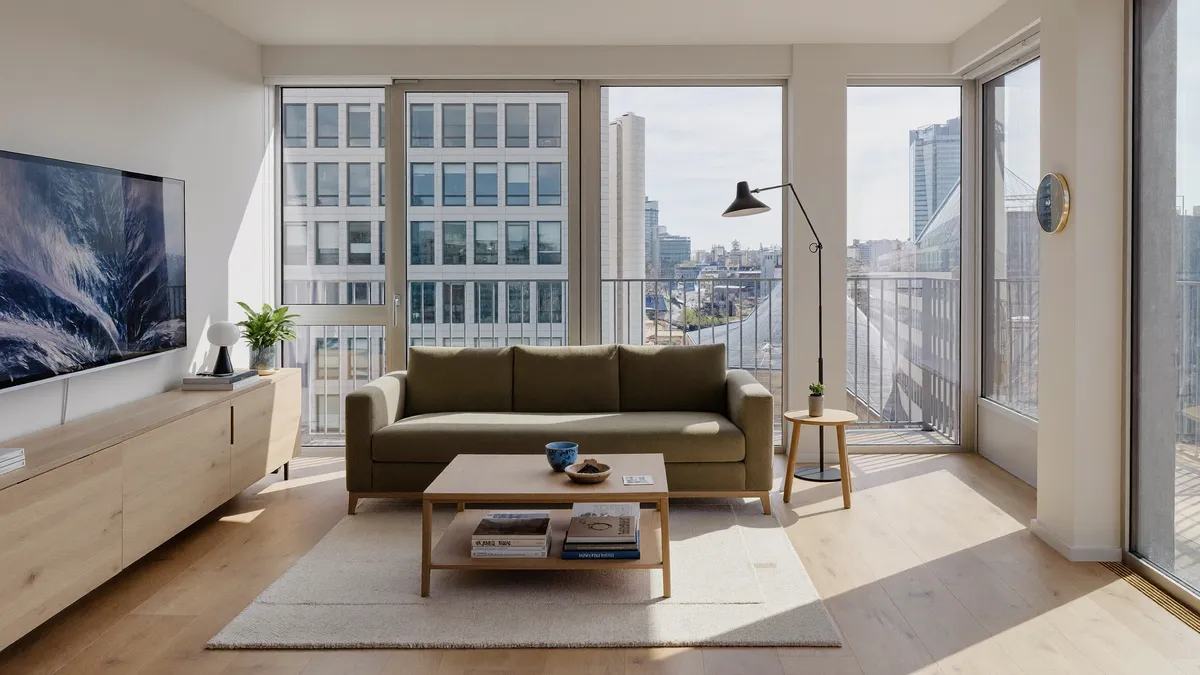
The starting point is the gross yield: annual rental income divided by the purchase price. Example: a two-room flat for PLN 700,000 rented out for PLN 3,500 a month gives PLN 42,000 a year, that is 6% gross. That is rather the upper limit — in Warszawa studio flats rent out on average for PLN 2,400–3,600, and two-room units for PLN 3,000–5,500 a month (as of 2025); we collected the current rates broken down by district in the review of rental prices in Warszawa.
From the gross figure subtract the real costs: the czynsz administracyjny (the building administration fee) during vacancy periods, insurance, minor repairs, refreshing the unit between tenants and an average of 2–4 weeks of a break in the tenancy per year. After these corrections the net yield of a typical Warszawa flat hovers around 4–4.5%. Part of that work — finding a tenant, the contract, handing over the unit and ongoing settlements — is taken off the investor’s hands when the flat goes into rental management for owners. Recovering the purchase from rent alone therefore takes about 18–21 years — although the result should also include the long-term increase in the value of the property, which historically accounted for a large part of the total rate of return.
How does a flip work and why do you earn on the purchase, not on the sale?
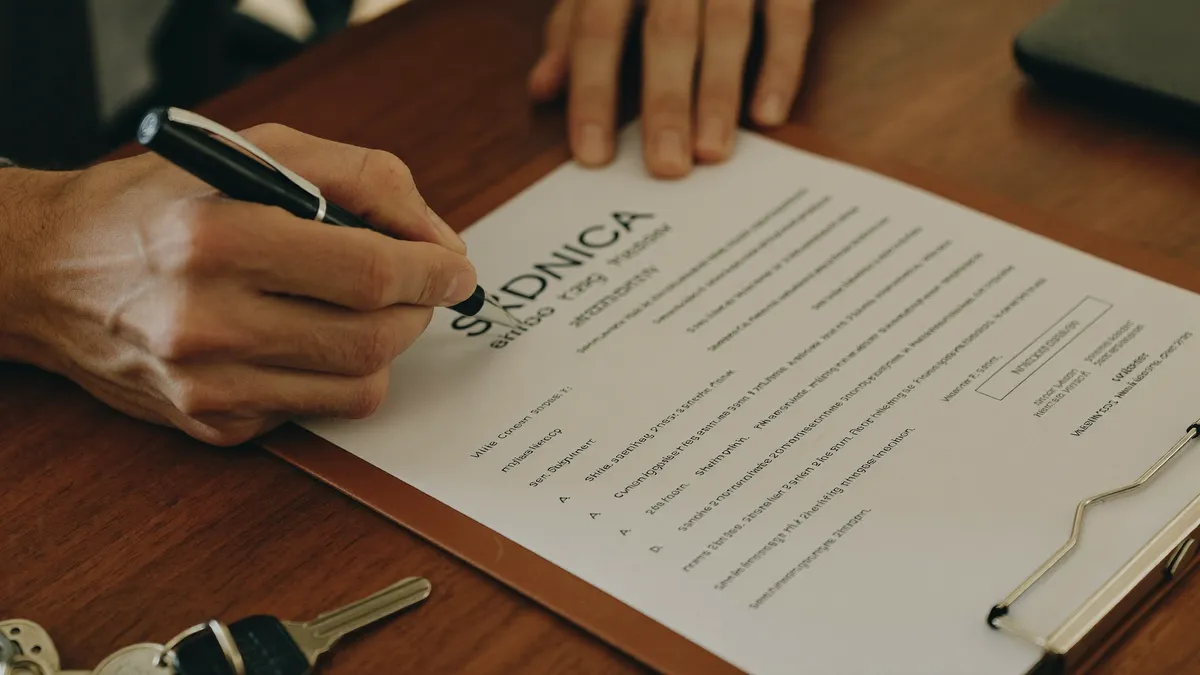
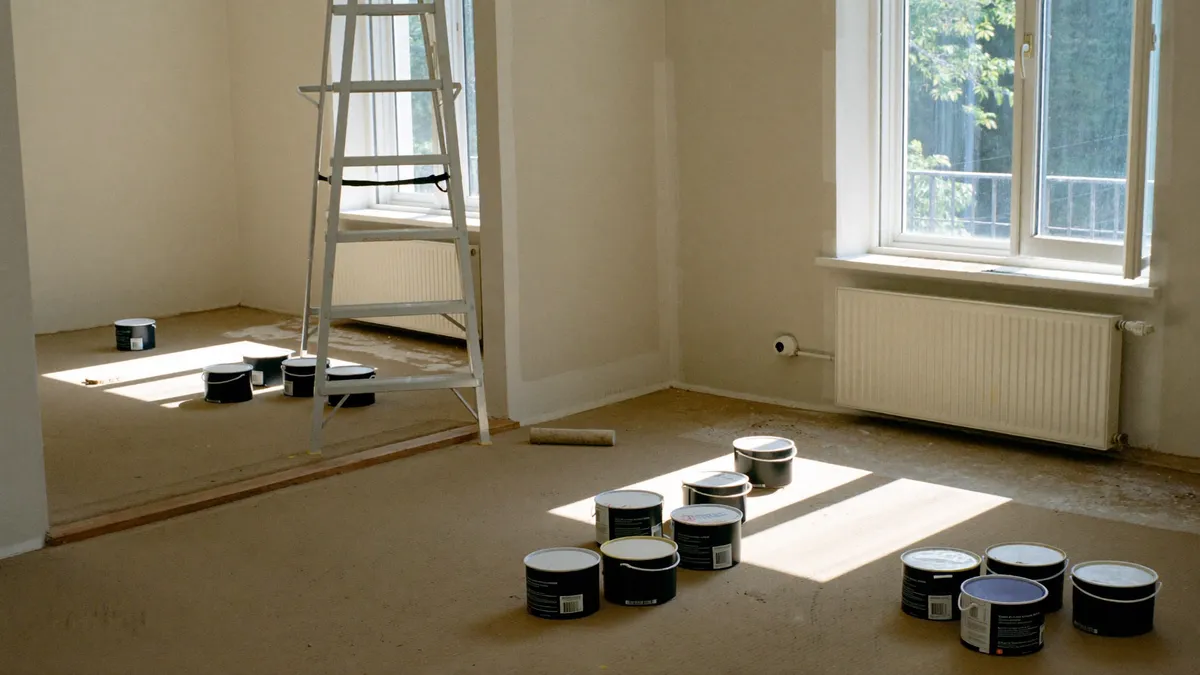
A flip is a purchase below market value — bailiff auctions, inheritance sales, flats needing a full renovation, off-market offers — followed by a renovation and a sale as fast as possible. The key rule: you set your margin on the day of the purchase, not on the day of the sale.
Let us count a model scenario. You buy a flat in need of renovation for PLN 500,000. The PCC (podatek od czynności cywilnoprawnych, the civil-law transaction tax) of 2% is PLN 10,000, the notary’s fee with copies and the entry in the księga wieczysta (land and mortgage register) around PLN 3,000–4,000, the renovation with materials PLN 80,000. Total cost: around PLN 594,000. A sale after the renovation for PLN 680,000 means around PLN 86,000 of margin before tax — with 4–8 months of work and your capital fully committed for that whole time.
What tax will you pay on a flip? PIT-39, the 19% rate and the 5-year line
The sale of a property before 5 years have passed, counted from the end of the calendar year in which you bought it, is subject to 19% PIT on the profit (not on the sale price). In our example: 19% of PLN 86,000 is around PLN 16,300 of tax, and you file the PIT-39 return by 30 April of the year following the sale. The tax can be avoided thanks to the ulga mieszkaniowa (housing relief) — if within 3 years from the end of the year of the sale you spend the proceeds on your own housing purposes: buying a flat or a house, building, renovating or repaying a mortgage taken out earlier.
Two things that flippers often forget. First, regular, repeated flipping may be treated by the tax office as business activity — you then settle under the tax scale (12/32%) or the flat 19% rate, ZUS social security contributions are added, and in some cases VAT as well. Second, since 1 January 2024 a PCC rate of 6% applies to the purchase of a sixth and each subsequent residential unit in the same development — a provision aimed at bulk purchases.
How do you settle rental tax in 2026?
Since 2023 private rental is settled exclusively under the ryczałt od przychodów ewidencjonowanych (lump-sum tax on recorded revenue): 8.5% up to PLN 100,000 of revenue per year and 12.5% on the excess above that threshold. Spouses who file a declaration benefit from a raised limit of PLN 200,000. With rent of PLN 42,000 a year the tax will amount to PLN 3,570.
The downside of this form: no deductible costs — you will not deduct a renovation or the interest on a loan. You settle on the PIT-28 form; the details, deadlines and examples are described in a separate guide on the ryczałt on rental income.
Which costs are easy to leave out of the calculation?
Before you compare the strategies, make sure your spreadsheet contains every item:
- PCC of 2% on the secondary market — for a flat costing PLN 600,000 that is PLN 12,000 (on the primary market you pay VAT included in the price instead of PCC),
- the notary’s fee, copies and court charges — usually PLN 2,000–4,000,
- the cost of financing — mortgage interest rates have fallen to around 5.7–6.4% (as of August 2026, after the NBP reference rate was cut to 3.75% in March 2026), but the interest can still eat a large part of the flip’s margin,
- home staging, a photo session and promotion of the listing at the time of sale,
- with a rental: vacancies, refreshing the unit, insurance,
- a reserve for renovation surprises — in older tenement houses realistically 10–15% of the budget.
Flip or long-term rental — how does the comparison look?
| Criterion | Flip | Long-term rental |
|---|---|---|
| Horizon | 4–12 months | 10+ years |
| Typical result | a margin in the low tens of % on the project | 4–6% gross per year + increase in value |
| Tax | 19% PIT (PIT-39) or business taxes | ryczałt 8.5% / 12.5% |
| Involvement | high: purchase, renovation, sale | low to medium |
| Main risk | overestimating the sale price, the renovation budget | vacancy, a difficult tenant |
| Capital | frozen for months, then it comes back | frozen for years |
What to choose: four control questions
Instead of looking for a universal answer, answer four questions for yourself. Do you have 10–20 hours a week to run a renovation and a sale? A flip is a project, not a deposit. Do you have access to bargains below market? Without that, a flip in Warszawa rarely adds up at current prices.
Do you accept that your capital may get stuck if the market slows down? Plan B for a failed flip is usually… renting the flat out. Do you care about a predictable cash flow? Then the natural choice is a rental — and the risk of a difficult tenant is limited by a najem okazjonalny (occasional lease) agreement with a notarial statement of submission to enforcement, reported to the tax office within 14 days of the start of the tenancy.
The figures above are general information, not investment advice — every transaction is worth calculating individually, on current data and the documents of the specific unit.
At allproperty we work on both sides of these strategies: we help find flats with potential (primary market — 0% commission from the buyer, secondary — 2%), we handle the sale after the renovation and we help you let the flat under Start (70% of one month’s rent, once) or we run the tenancy from the agreement to the monthly transfers and reports under Full management (8% of the rent per month, only for months with a tenant, plus 2% into a small-repairs fund, which remains your money). If you are wondering which path fits your situation — write or call, we will calculate it together, with no obligation. A good opportunity for a flip — especially an off-market offer — can disappear from the market within a few hours, which is why we work 24/7. Have you come across something promising in the evening or at the weekend? Call straight away at +48 666 866 468.
Common questions
How much can you earn on a long-term rental in Warszawa?
A typical gross yield is 4–6% per year, and after the cost of vacancies, repairs and insurance around 4–4.5% net remains. Example: a flat for PLN 700,000 rented out for PLN 3,500 a month gives PLN 42,000 of income per year, that is 6% gross. Recovering the purchase from rent alone takes around 18–21 years.
What tax do you pay on flipping a flat?
A sale before 5 years have passed, counted from the end of the year of purchase, means 19% PIT (income tax) on the profit, settled on the PIT-39 form by 30 April of the following year. The ulga mieszkaniowa (housing relief) lets you avoid the tax if within 3 years you spend the proceeds on your own housing purposes. Regular flips may be treated by the tax office as business activity.
How is tax on private rental settled in 2026?
Since 2023 private rental is settled exclusively under the ryczałt (lump-sum tax on recorded revenue): 8.5% up to PLN 100,000 of revenue per year and 12.5% on the excess; spouses who file a declaration have a limit of PLN 200,000. With rent of PLN 42,000 a year the tax is PLN 3,570. You cannot deduct renovation costs or interest; the return is filed on the PIT-28 form.
How much does flipping a flat in Warszawa cost?
A model case: purchase for PLN 500,000, PCC (podatek od czynności cywilnoprawnych, the civil-law transaction tax) of 2% (PLN 10,000), the notary with entries PLN 3,000–4,000, renovation PLN 80,000 — around PLN 594,000 in total. A sale for PLN 680,000 gives around PLN 86,000 of margin before the 19% tax, with 4–8 months of work. In older tenement houses add a reserve of 10–15% of the renovation budget.
Which pays off more in 2026: a flip or a long-term rental?
It depends on your time and your access to bargains. A flip can deliver a margin in the low tens of percent in 4–12 months, but it requires buying below market and 10–20 hours of work per week. A rental gives a predictable 4–6% gross per year plus the increase in value. With loans at 5.7–6.4% (as of August 2026), financing weighs heavily on the margin of a flip.