Rental prices in Warszawa 2024 — the year in summary
Rental prices in Warszawa in 2024: an average of 4,900–5,100 PLN, studios about 2,900–3,000 PLN. Why the market stabilised and how to negotiate the rent.
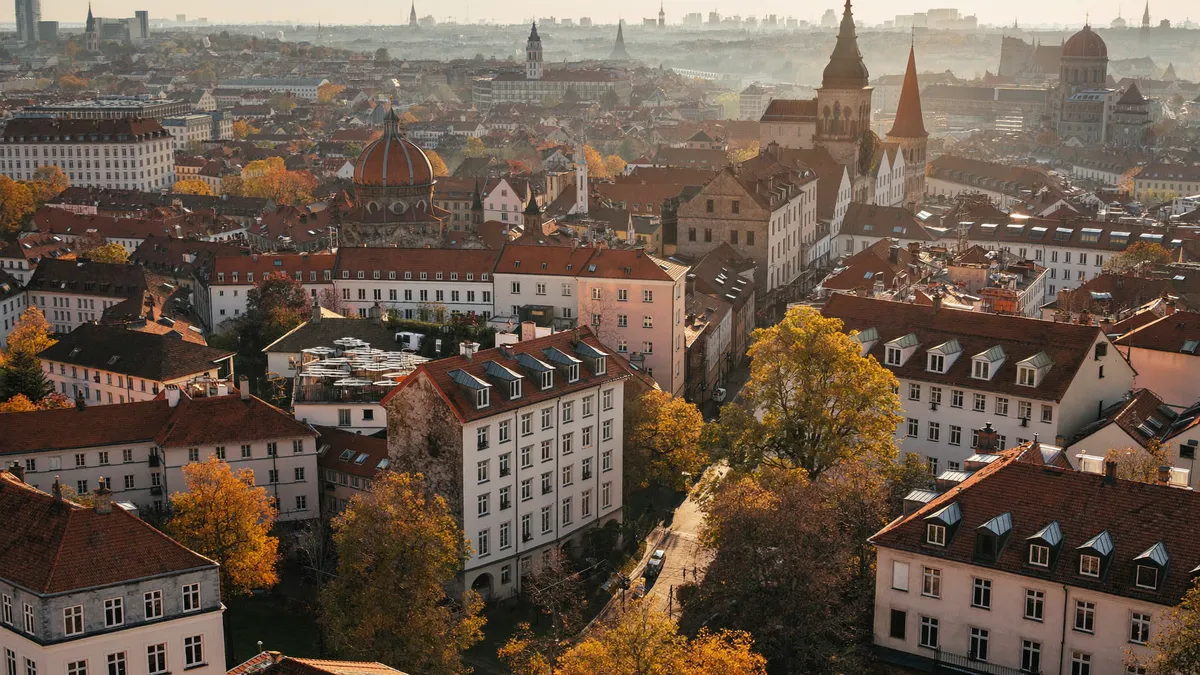
The average asking rent for an apartment in Warszawa in 2024 was about 4,900–5,100 PLN a month (Otodom reports, June–November 2024), and studios cost about 2,900–3,000 PLN throughout the year (Bankier.pl, December 2024). To the rent you have to add the czynsz administracyjny (building administration fee) — usually a few hundred złoty — and utilities, so the full monthly cost of a studio realistically comes to about 3,500–4,000 PLN.
At the same time 2024 brought what tenants had been waiting for over two years: stabilisation. Average asking rates in the largest cities rose by about 2.2% year on year (Otodom, November 2024) — clearly below inflation — and in December 2024 there were about 7% more rental listings in the capital than a year before. Below we show why the market slowed down and how to use that — on both sides of the lease.
Why did the market catch its breath after two years of increases?
 To appreciate the scale of the change, it is worth going back two years. In spring 2022, after the outbreak of war in Ukraine, tens of thousands of new tenants arrived in Warszawa in a short time. Listings disappeared within hours and rates rose from month to month.
The year 2023 added its own contribution: the Bezpieczny Kredyt 2% programme heated up the purchase market, and some owners withdrew apartments from the rental market to sell them — supply shrank further. In 2024 this mechanism reversed: new listings kept appearing, demand normalised and increases were in single digits. In real terms, that is after taking inflation into account, rents stopped getting more expensive for the first time in a long while.
How much exactly did renting in Warszawa cost in 2024?
 Warszawa remained the most expensive rental market in Poland. The most important reference points from market reports (asking rates, excluding the czynsz administracyjny and utilities):
| Indicator | Level in 2024 | Source |
|---|---|---|
| Average asking rent in Warszawa (all sizes) | about 4,900–5,100 PLN/month | Otodom reports, June–November 2024 |
| Studios in Warszawa | about 2,900–3,000 PLN/month all year | Bankier.pl report, December 2024 |
| Average for the largest cities in Poland | about 3,700 PLN/month (+2.2% y/y) | Otodom, November 2024 |
| Number of rental listings in Warszawa | about +7% y/y | data from December 2024 |
Two things are worth emphasising. First, these are asking prices — transaction rates were sometimes lower, because 2024 was a year of negotiation. Second, you always have to add the czynsz administracyjny (most often a few hundred złoty) and utilities to the rent. So when comparing offers, look at the full monthly cost, not at the headline of the listing.
Why did rental prices stop rising?
 Three overlapping processes stood behind the stabilisation:
- More apartments on offer. In December 2024 Warszawa was the only one of the six largest cities where the number of rental listings grew year on year (about +7%). Units from the record developer completions of previous years also entered the pool.
- The end of mortgage subsidies. Bezpieczny Kredyt 2% expired at the end of 2023, and the announced successor programme did not come into force in 2024. The buying fever subsided, so some owners who had planned to sell came back with their apartments to the rental market.
- Normalisation of demand. The one-off migration shock of 2022 was not repeated, and the student season — though as every year it pushed rates up in late summer — was milder than in the two preceding years.
Which apartments held their price and which got cheaper?
The market did not stabilise evenly. A clear division into segments was visible:
- Small apartments up to 40 m² near the metro — the most resistant to falls; the supply of studios shrank towards the end of 2024 and rates rose slightly.
- Popular sizes of 40–59 m² — their rates were still rising in December 2024; this is the most liquid segment of the market.
- New developments with air conditioning, a garage and a good standard — held their prices, because tenants increasingly pay for comfort, not only for location.
- Large sizes of 70 m² and more — these were the easiest to negotiate: greater supply, a narrower pool of interested parties, the longest listing exposure time.
Extended exposure time was, incidentally, the hallmark of the whole year: an apartment stopped “renting itself” within a day, and owners came down on price more often instead of waiting months for a tenant from the listing.
Which taxes and formalities are worth putting in order?
Stable rates are a good moment to put the formal side of renting in order:
- The ryczałt on private rental has been, since 2023, the only form of taxation for such rental: 8.5% of revenue up to 100,000 PLN a year and 12.5% on the excess. An example: at a rent of 4,000 PLN a month (48,000 PLN a year) the tax is 340 PLN a month, that is 4,080 PLN over the year.
- Najem okazjonalny (occasional lease) requires a fixed-term contract (a maximum of 10 years), a notarial declaration by the tenant submitting to enforcement, an indication of a substitute dwelling and notification of the contract to the tax office within 14 days of the start of the lease. In return the owner gains a simpler route to recovering the unit.
- The deposit is limited by the tenant protection act: a maximum of 12 times the monthly rent under an ordinary lease and 6 times under an occasional one. The Warszawa market standard is in practice a deposit of one, more rarely two months.
How to negotiate the rent effectively?
A year of stabilisation offers the most favourable conditions in a long time for a conversation about price — including when you are looking for an apartment to rent with the help of an agent. What works:
- Check how long the listing has been active — an offer that has been hanging for several weeks is a natural starting point for negotiation.
- Compare the full cost (rent + czynsz administracyjny + utilities) with similar apartments in the same area, not just the headline rate.
- Propose a longer contract — 12 months or more. For the owner, certainty of rental is often worth a discount of 100–200 PLN a month.
- Read the indexation clauses: with lower inflation an automatic annual increase “by the GUS index” is less painful, but it is worth knowing what you are agreeing to.
- Put all the arrangements — meter readings, furnishings, deadlines — into the contract and the protokół zdawczo-odbiorczy (handover protocol).
What does stabilisation mean for apartment owners?
If you rent out an apartment, 2024 taught one thing: the asking price has to be realistic from day one. An inflated rate today does not mean “I will wait a week longer” but an empty unit for a month or two — and every month of vacancy at a rent of 4,000 PLN costs more than a sensible discount. Standard also matters more and more: air conditioning, working appliances and good photos in the listing genuinely shorten the exposure time. On top of that comes a solid contract and tenant verification — in a calm market it is these, not another increase, that protect profitability.
How did that stabilisation look a year later? (updated: August 2026)
The forecast of a calm market proved correct. In January 2025 Warszawa was the only one of the largest cities where the average asking rent fell year on year — by 1.9%, to 5,017 PLN (Otodom, January 2025) — and the whole of 2025 was one of the most stable years in the history of the rental market: in December 2025 a studio cost an average of 3,003 PLN, almost exactly the same as a year earlier. In spring 2026 the average for the capital hovered around 4,880 PLN (Otodom, March 2026). We analyse current rates and trends in the article on rental prices in Warszawa in 2026
At allproperty we track rates district by district, and in our catalogue we always give the full price: rent plus czynsz administracyjny. If you are an owner and want to let your apartment with our help, you have two models to choose from: under Start you pay 70% of one month’s rent, once, after the tenancy agreement is signed, and under Full management — 8% of the rent per month (only for months with a tenant) plus 2% into a small-repairs fund, which remains your money. If you come across something suitable in the evening, do not wait until morning: we are available around the clock, call straight away on +48 666 866 468. We look forward to hearing from you.
Common questions
How much did it cost to rent an apartment in Warszawa in 2024?
The average asking rent in Warszawa was about 4,900–5,100 PLN a month (Otodom reports, June–November 2024), and studios about 2,900–3,000 PLN (Bankier.pl, December 2024). To these amounts you have to add the czynsz administracyjny (building administration fee), usually a few hundred złoty, plus utilities — the full cost of a studio realistically comes to about 3,500–4,000 PLN a month.
By how much did rental prices in Warszawa rise in 2024?
In the largest Polish cities average asking rates rose by about 2.2% year on year (Otodom, November 2024), that is clearly below inflation. Warszawa itself ended the year practically flat, and in January 2025 it was the only large city with a fall in the average rent — by 1.9% year on year.
Why did rental prices in Warszawa stop rising?
Three factors came together: more listings (in December 2024 about 7% more than a year earlier), the expiry of the Bezpieczny Kredyt 2% programme at the end of 2023, and the normalisation of demand after the migration shock of 2022. Apartments were rented out more slowly, so owners came down on price more often.
What tax is paid on private rental of an apartment?
Since 2023 private rental has been settled exclusively under the ryczałt (lump-sum tax): 8.5% of revenue up to 100,000 PLN a year and 12.5% on the excess. At a rent of 4,000 PLN a month the tax is 340 PLN a month, that is 4,080 PLN a year. The costs of maintaining the apartment cannot be deducted in this form.
How high can the deposit be when renting an apartment?
The tenant protection act limits the deposit to 12 times the monthly rent under an ordinary lease and 6 times under najem okazjonalny (occasional lease). The Warszawa market standard in 2024–2026 is in practice a deposit equal to one, more rarely two months of rent, returned after the lease ends less any amounts owed.