Apartment for sale in Śródmieście — prices and what you should know
Apartment for sale in Śródmieście, Warszawa: price per m² on the secondary and primary market, building types and metro access. See what to check.
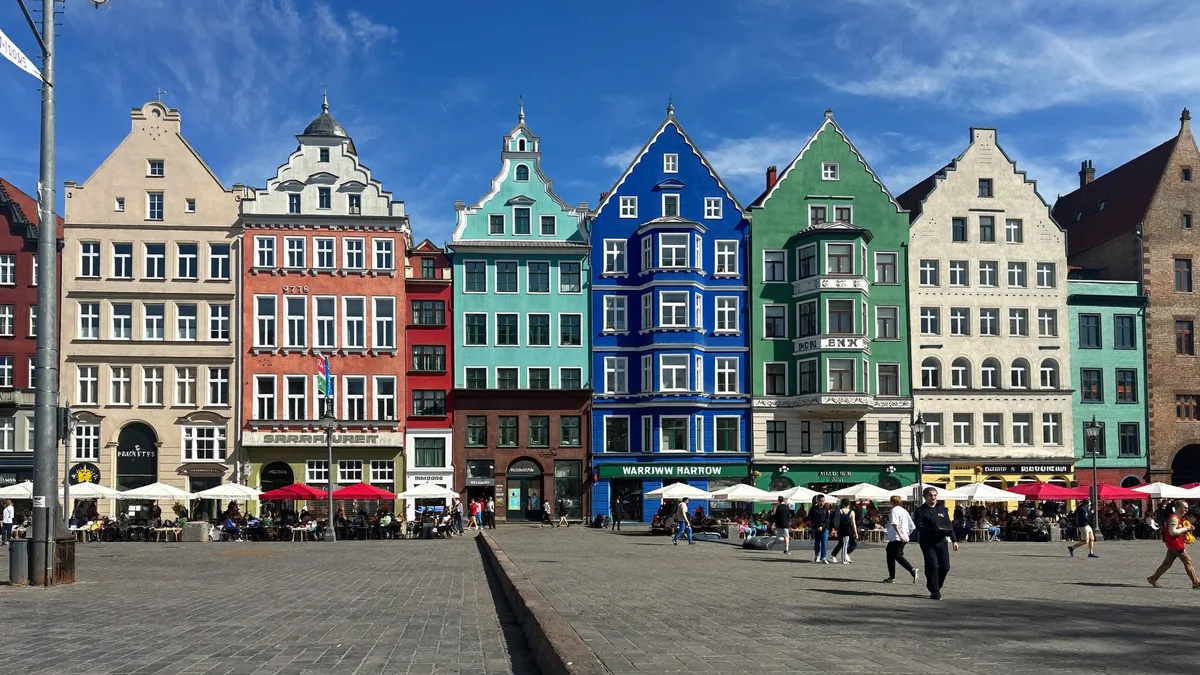
How much does an apartment for sale in Śródmieście cost today? On the secondary market, transaction prices fall in the range of roughly PLN 16,000–20,000/m² — that is data from akty notarialne (notarial deeds) for the period Q4 2025 – Q1 2026 (cenacheck.pl). On the primary market, where the supply consists mainly of apartment towers and premium schemes, the average asking price reached about PLN 35,000/m² in the summer of 2026, with 252 units available for sale — almost twice the average price of a new apartment across Warszawa (around PLN 18,000/m² at the turn of 2025/2026). This spread is a result of the district’s structure: Śródmieście is at once the kamienice of Nowe Miasto, the post-war blocks of Muranów and the luxury towers by the Wisła. Below we break down prices, building types, transport and what to watch out for before signing a contract — and at the end we explain how allproperty helps you get through the process without mistakes.
How much does an apartment in Śródmieście cost per m²?
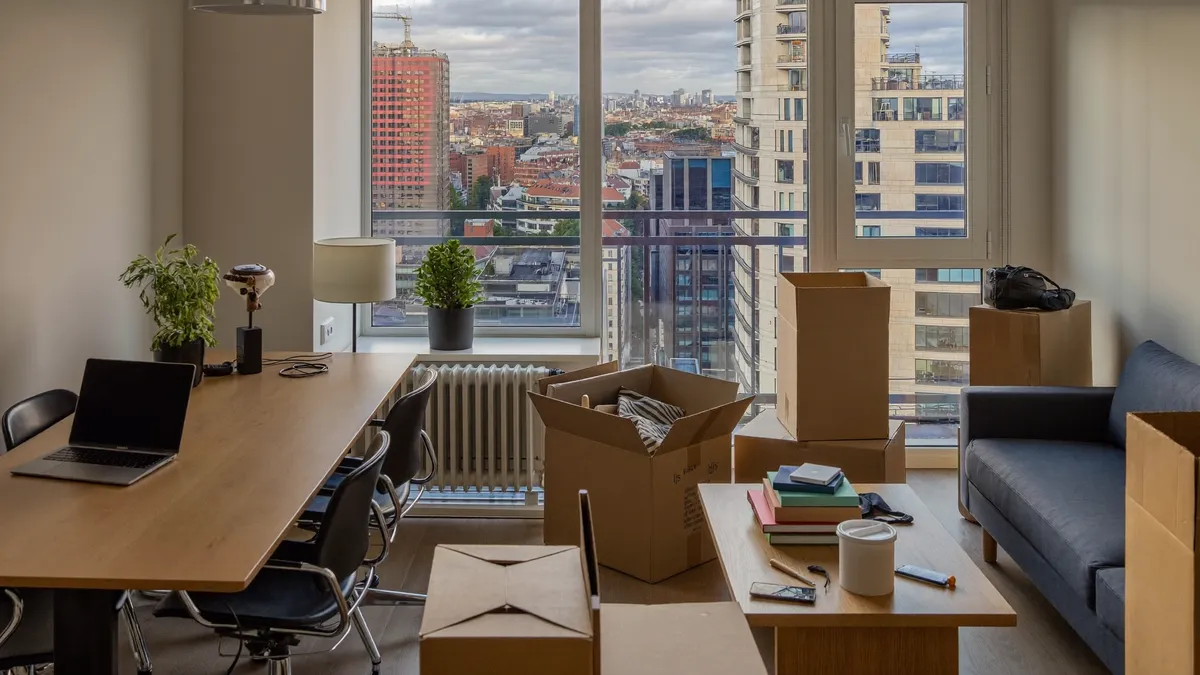
The secondary and primary markets in Śródmieście live their own price lives, which is why comparing them directly can be misleading — one works with transaction prices, the other with asking prices.
| Segment | Price per m² | Period | Source |
|---|---|---|---|
| Secondary market (transactions) | approx. PLN 16,000–20,000 | Q4 2025 – Q1 2026 | akty notarialne, cenacheck.pl |
| Primary market (asking) | approx. PLN 35,000 | July 2026 | developers’ asking data |
| Warszawa, secondary market (average) | approx. PLN 18,900 | Q1 2026 | NBP compilation |
| Warszawa, primary market (average) | approx. PLN 18,100 | Q1 2026 | NBP compilation |
It is worth remembering that at the end of 2025 Śródmieście, together with Wola, Ochota and Żoliborz, belonged to the districts with asking rates above PLN 27,000/m² for new apartments — you will find more detail on prices across the city in the article apartment prices in Warszawa 2025. The gap between the secondary median and the primary asking price within Śródmieście itself comes mainly from the segment: the primary market here is mostly apartment towers and premium schemes, not entry-level flats.
If you are looking for a specific offer, the current catalogue of apartments for sale and rent in Warszawa is available in the allproperty apartment catalogue.
Kamienica, large-panel block or new construction — which building stock dominates?
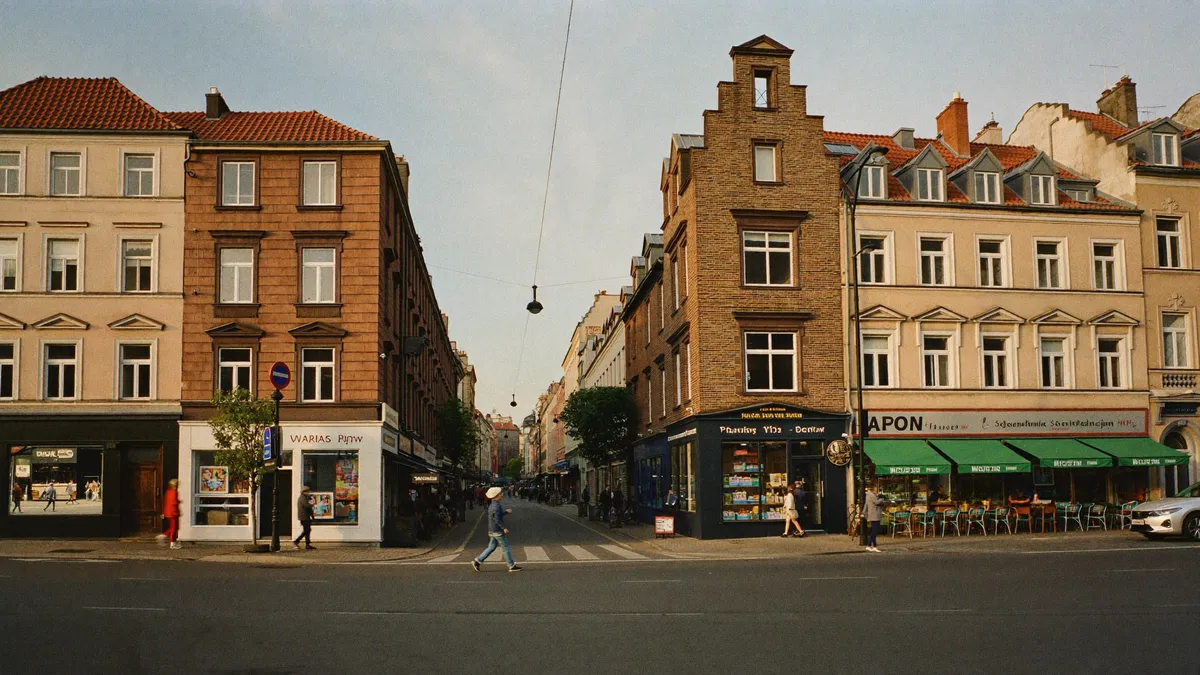
Śródmieście is an urban mosaic in which the type of building depends literally on which side of the street you stand. It is worth knowing these differences before you narrow your search to a specific address.
- Pre-war and reconstructed kamienice — Stare Miasto, Nowe Miasto, Śródmieście Północne and Południowe, Powiśle and Solec. Some have kept their original staircases and high ceilings, some are post-war reconstructions.
- Modernist buildings from the 1950s–70s — Muranów, the estate behind Żelazna Brama, the Marszałkowska area. Point blocks and long buildings with wide spaces between them.
- Large-panel blocks — present, but in smaller concentration than in Ursynów or Bemowo; individual cooperative estates from the 1970s–80s.
- New developer construction — concentrated in Powiśle, Solec, along ul. Grzybowska and al. Jana Pawła II, close to the border with Wola. These are mainly apartment towers and mixed-use complexes with lifts, underground garages and security.
Śródmieście is formally divided into nine auxiliary units, among them Muranów, Staromiejskie, Żelazna Brama, Centrum, Powiśle-Skarpa, Koszyki, Krucza, Powiśle-Solec and Oleandrów — and each has a different building and price profile. If you are interested in a specific micro-market, check how an apartment in Powiśle and an apartment in Muranów differ from the rest of Śródmieście.
What is metro and public transport access like?
The metro is the district’s main locational asset — both lines cross exactly at its centre. Line M1 serves Śródmieście on the north-south axis through the stations Dworzec Gdański, Ratusz Arsenał, Świętokrzyska, Centrum and Politechnika. Line M2 crosses the district east-west through Rondo ONZ, Świętokrzyska, Nowy Świat-Uniwersytet and Centrum Nauki Kopernik, and Świętokrzyska station is the only M1/M2 interchange within the district (as of 2026).
On top of that come the dense tram network on Marszałkowska, Aleje Jerozolimskie and the Trakt Królewski, night buses, and the Warszawa Centralna, Warszawa Śródmieście and Warszawa Gdańska stations — real access to regional and long-distance rail without changing. For someone who works in the centre or travels often, this means no dependence on a car — practically any point in the city is a dozen or so minutes away by metro or tram.
What should you pay attention to when choosing an apartment in Śródmieście?
Before you sign a contract, check a few things specific to this district — unlike on the city’s outskirts, here it is the building’s history and the condition of the wspólnota (owners’ association) that decide, not just the floor area.
- Technical condition of the kamienica — the year of the last renovation of the façade, roof and installations; in older buildings this is often the biggest hidden cost beyond the price of the apartment.
- Legal status and księga wieczysta (land and mortgage register) — especially with reconstructed kamienice it is worth verifying the ownership history and any restitution claims.
- Level of association fees — in kamienice with a lift, security and common areas to maintain, the czynsz administracyjny (administrative service charge) can be noticeably higher than in blocks from the 1970s.
- Noise and window exposure — proximity to arteries such as Marszałkowska or Aleje Jerozolimskie means heavy traffic; it is worth viewing the apartment at different times of day.
- Parking space — in the strict centre the paid parking zone covers almost the entire district, so an underground garage can be a significant price argument.
Who is Śródmieście for?
The district works above all for people for whom commuting time and closeness to work, culture and services matter more than floor area or quiet. It is a natural choice for singles, couples without children and professionals working in the central business area, and also a good location for rental — both long-term for corporate tenants and short-term close to tourist attractions.
Families with children more often choose the calmer parts of the district — Powiśle, Ujazdów or the area around Park Krasińskich — where greenery (Ogród Saski, Park Mirowski, Łazienki Królewskie, the Wisła boulevards) and schools are closer, while metro access to the centre is preserved. If you are planning a purchase for rental, it is worth reviewing the rules and obligations described in the for owners section beforehand.
How much does agency service cost when buying an apartment in Śródmieście with allproperty?
| Transaction type | allproperty commission |
|---|---|
| Primary market (new apartment from a developer) | 0% from the buyer |
| Secondary market | 2% |
| Plots of land | 3% |
| Rental | 70% of the monthly rent |
| Commercial property | individually |
When buying an apartment from a developer in Śródmieście, we charge the buyer no fee (0%). On the secondary market, the allproperty commission is 2% of the transaction value.
Given how large the price differences are between the individual parts of Śródmieście — a kamienica in Nowe Miasto, a block in Muranów and an apartment tower in Powiśle are three completely different budgets — it is worth consulting a specific address before deciding with someone who knows the district from the transaction side, not just from a map. The allproperty team is available 24/7, so a question about a particular kamienica in Solec or a comparison of developer offers on the primary market on Grzybowska can be asked at any time — just call +48 666 866 468.
Common questions
How much does an apartment in Śródmieście cost per m²?
On the secondary market, transaction prices fall in the range of roughly PLN 16,000–20,000/m² (data from akty notarialne, Q4 2025 – Q1 2026, cenacheck.pl). On the primary market, dominated by apartment towers, the average asking price for new units reached about PLN 35,000/m² in the summer of 2026 — almost twice the average for Warszawa as a whole.
What type of building stock dominates in Śródmieście?
Śródmieście combines pre-war and reconstructed kamienice (tenement houses) — Stare Miasto, Nowe Miasto, Powiśle, Solec — post-war modernist blocks from the 1950s–70s (Muranów, the estate behind Żelazna Brama), and new developer construction concentrated in Powiśle, Solec and along al. Jana Pawła II. The typical large-panel blocks of the 1970s–80s are noticeably less common here than in Ursynów or Bemowo.
Which metro stations serve Śródmieście?
Line M1 runs through Dworzec Gdański, Ratusz Arsenał, Świętokrzyska, Centrum and Politechnika, while line M2 passes through Rondo ONZ, Świętokrzyska, Nowy Świat-Uniwersytet and Centrum Nauki Kopernik. Świętokrzyska station is the only M1/M2 interchange within the district (as of 2026).
What is the allproperty commission when buying an apartment in Śródmieście?
When buying an apartment on the primary market, the allproperty commission is 0% from the buyer, and on the secondary market 2%.
Who is an apartment in Śródmieście most suitable for?
The district is a natural choice for people working in the centre, for singles and couples without children who value being close to everything, and also for short- and long-term rental thanks to the metro location. Families with children more often pick the calmer parts, such as Powiśle or Ujazdów, rather than the strict business core.